

Category: Parenting
Sensory STEM Activities for Kids: Slippery Sand
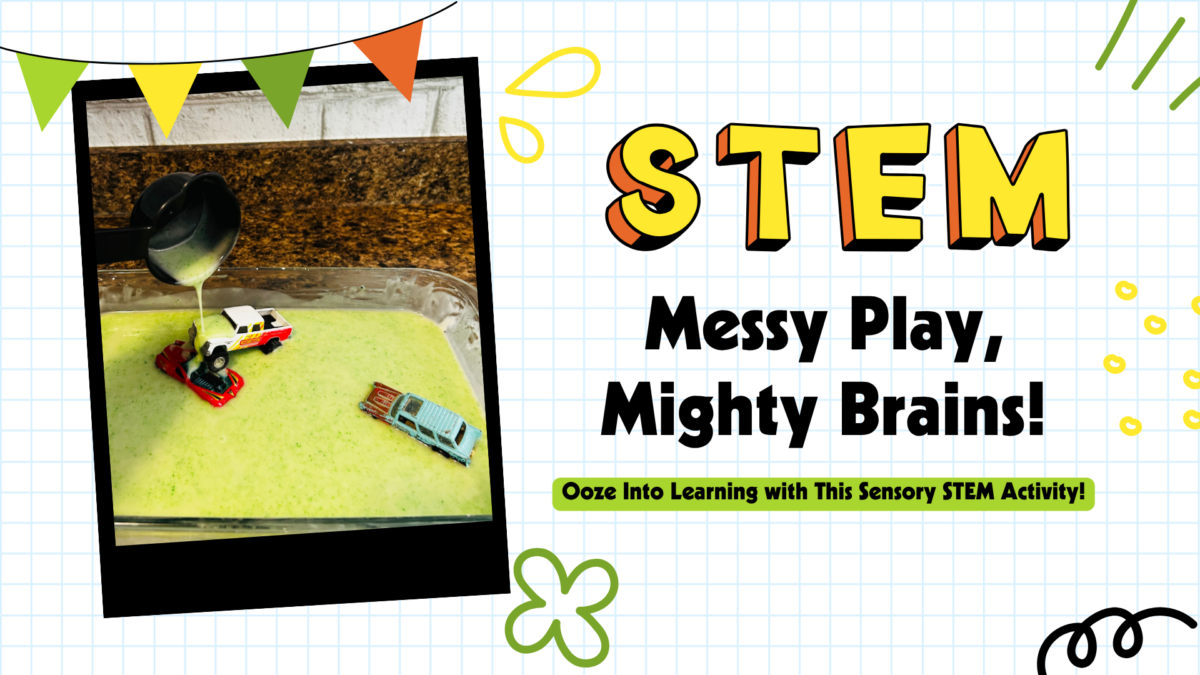
Looking for a summer activity that’s fun, easy, and educational? Dive into the world of sensory STEM activities for kids with this slippery quicksand experiment! It’s simple to make at home, encourages hands-on learning, and keeps kids engaged while exploring science through touch, movement, and imagination.
Let’s jump into the mess and make some sensory magic!

Why Sensory Play Matters
Before we dig into the slime, let’s talk about why sensory play is so important. Sensory activities help kids develop fine motor skills, improve focus, and build pathways in the brain related to problem-solving and language. When kids squeeze, scoop, stretch, and explore, they’re not just having fun—they’re also strengthening their growing brains.
That’s why combining sensory play with STEM concepts makes the learning experience even more powerful.

Ingredients:
Gather these ingredients to create your very own sensory bin.
- 1 Cup of Cornstarch
- 1/2 Cup of Vegetable, Baby, or Mineral Oil
- Optional: Brown Food Coloring, Cocoa Powder, or Sandy Glitter
- Optional: Toy Animals, Scoops, Spoons, or other Plastic Toys
Time to mix up some slippery science!

Directions:
- Mix the Slippery Quicksand:
- In a bowl or bin, combine 1 cup cornstarch with ½ cup oil.
- Stir slowly—at first it’s powdery, then becomes thick and stretchy like wet, sticky clay.
- Adjust with more oil for more slickness, or more cornstarch for firmness.
- Add Color or Texture (Optional):
- Mix in a few drops of brown food coloring or cocoa powder to make it look like real mud or sand.
- For shimmer, sprinkle in fine glitter.
- Sensory Exploration Time:
- Press toys into it—they’ll slowly “sink” like real quicksand!
- Scoop, pour, and stretch to feel the slippery, oozy texture.
- Try slow vs. fast movements to feel how it behaves differently!
This activity gives kids a chance to experiment with non-Newtonian fluids and explore how materials can behave differently under pressure.

What Kids Learn from This Sensory STEM Activity
This quicksand activity is more than just messy fun—it’s a perfect introduction to non-Newtonian fluids, which don’t behave like typical liquids or solids. When your child presses down quickly, the mixture feels firm, but slow movements make it feel runny. This shows how pressure and force can change how materials behave.
Through play, your child is exploring scientific concepts like viscosity, resistance, and states of matter—all without even realizing it!
Keep Learning Hands-On with Sensory STEM Activities for Kids
When it comes to summer learning, nothing beats sensory STEM activities for kids that are both playful and educational. This quicksand sensory experiment offers kids a chance to explore textures, test ideas, and have fun all at once. Whether they’re squishing with their hands or digging with toys, they’re learning through touch and play.
So grab your cornstarch and oil—it’s time to turn your kitchen into a mini science lab!

Keep kids active and smiling with Easter games for kids! Try fun ideas like egg hunts, silly races, and hands-on holiday challenges.
Video Games and Kids Mental Health
Video games have become a big part of many kids’ lives. They provide fun, adventure, and even a way to stay connected with friends. But not all gaming is the same—and how it affects your child depends a lot on how they play. Understanding the difference between solo and multiplayer games can help parents better support their child’s emotional well-being and gain a clearer picture of video games and kids mental health.
Solo Gaming: A Double-Edged Sword
When kids play video games alone, it can actually be a good thing—at least in moderation.
Stress Relief and Relaxation
Some solo games are calming and help kids unwind after a tough day. Just like adults might read a book or go for a walk, kids can use quiet gaming time to relax.
Skill Development
Many single-player games ask kids to solve puzzles, make smart choices, or think ahead. These types of games can improve focus, patience, and problem-solving skills.
But playing solo for too long can have downsides, too.
Social Isolation
If a child spends too much time gaming alone, they may miss out on real-life social time with friends and family. Over time, this can make them feel lonely or disconnected.
Mood Fluctuations
Without interaction, solo gaming might not boost a child’s mood the way a social activity would. This is especially true if gaming replaces time that would otherwise be spent being active or talking with others.
In fact, a study in the Journal of Youth and Adolescence found that while some gaming can be helpful, excessive solo play was linked to more loneliness and less life satisfaction. This shows how important it is to understand how video games affect kids’ emotions, especially when they play alone.
The Benefits of Cooperative Gaming for Kids
Cooperative games are video games that kids play together, either online or in person. Instead of competing against each other, players team up to reach a shared goal. These games offer more than just fun—they can also support important life skills and mental health.
Stronger Social Skills and Empathy
One of the biggest benefits of co-op games is how they help kids connect with others. To succeed, players need to talk, listen, and work together. This kind of teamwork helps kids build communication skills and learn to see things from someone else’s point of view. Over time, these experiences can strengthen friendships and improve how kids relate to others.
Better Emotional Control
Another benefit is emotional regulation. Playing as a team means facing challenges and sometimes losing. But with friends around, kids can talk through frustration and learn to bounce back. Celebrating a win together or pushing through a tough level teaches patience, flexibility, and resilience.
Boosted Confidence and Self-Esteem
When kids help their team win or solve a difficult puzzle, they feel proud of what they’ve done. Getting support and encouragement from teammates builds confidence and reminds them they’re valuable. These positive experiences can raise self-esteem and make kids more willing to try new things.
Therapeutic Use in Mental Health
Some co-op games are even used in therapy. These specially designed games give kids a safe space to express feelings, practice coping strategies, and build social skills. For children dealing with anxiety, depression, or ADHD, co-op games can be a creative and helpful tool in their mental health journey.
The Potential Downsides of Cooperative Gaming
While co-op games have many upsides, there are also some things to watch out for. One of the biggest concerns is how easy it can be to play for too long.
Too Much of a Good Thing
Because cooperative games are exciting and social, kids may want to keep playing for hours. This can sometimes lead to gaming addiction. When gaming takes over other parts of life—like sleep, school, or time with family—kids may start to feel isolated or stressed. It can also affect their grades or energy levels during the day.
Balancing Gaming for Mental Well-Being
The good news? With a few smart habits, gaming can be a fun and healthy part of your child’s life.
- Set Time Limits: Too much of anything—even a good thing—can be harmful. Make sure your child takes regular breaks and doesn’t miss out on sleep, schoolwork, or time with family.
- Promote a Mix of Games: Let your child enjoy both solo adventures and team-based challenges. This helps keep things balanced and builds different skills.
- Monitor Online Interactions: Ask your child about who they play with, how they feel after playing, and if they’ve seen or heard anything that made them uncomfortable.
- Encourage Open Communication: Make it easy for your child to talk to you about their gaming experiences—the good and the bad.
- Prioritize Friendship: Encourage your child to game with real-life friends or people they know well. Positive social experiences online can help strengthen relationships offline.
- Encourage Balanced Play: Promote a healthy mix of gaming and other activities, ensuring that gaming doesn’t interfere with sleep, academics, or physical activity.
- Choose Age-Appropriate Games: Select games that are suitable for your child’s age and maturity level, focusing on those that promote positive social interactions.
By staying informed and involved, parents can help their children reap the benefits of gaming.
Conclusion
So, are video games bad for kids’ mental health? Not necessarily. Both solo and multiplayer games can offer real benefits—if used in healthy ways. By understanding the relationship between video games and kids mental health, parents can guide their children toward habits that support emotional growth, social connection, and confidence. With the right balance, gaming can be more than just a pastime—it can be a positive part of growing up.

Discover how social media affects kids’ self-esteem and learn practical tips to help your child build confidence in a digital world.
How Social Media Affects Kids’ Self-Esteem | Parent Guide
In today’s digital world, many kids start using social media before they even reach middle school. Platforms like YouTube, Instagram, and TikTok are full of videos, selfies, and stories that shape how children see themselves and others. For parents, it’s important to understand how social media affects kids’ self-esteem and what you can do to help.
Let’s take a closer look at how things like FOMO, filters, and online friendships can influence your child’s mental health—and how to support them through it.
FOMO: The Fear of Missing Out
One of the most common effects of social media is FOMO, or the fear of missing out. This happens when kids see their friends having fun at parties, sleepovers, or events they weren’t invited to. Even if your child is normally confident, seeing these posts can make them feel left out or like they don’t belong.
Studies show that kids who experience FOMO are more likely to feel anxious or unhappy. They might even check their phones more often, hoping not to miss something else. Over time, this can make it harder for them to feel content with their own lives.
To help your child, talk about how social media only shows the highlights—not the full story. Remind them that everyone feels left out sometimes, even the kids who seem popular online.
Filters and Unrealistic Images
Another big part of social media is filters—tools that change the way someone looks in a photo or video. Many apps make it easy to smooth skin, change eye color, or even add makeup and facial features. While filters can be fun, they also send a message that the “real” version of someone isn’t good enough.
Over time, seeing these perfect images can make kids feel insecure about their own appearance. Some may start to believe that their unfiltered face isn’t pretty or cool enough. Research shows that heavy use of filters can lead to low self-esteem and even body image problems.
Parents can help by talking openly about these effects. Point out how filters change reality, and encourage your child to follow accounts that show real, unedited images. It’s also helpful to praise your child’s unique features and strengths often—online and offline.
Friendships and Peer Pressure Online
While social media can help kids stay connected, it also brings a new kind of peer pressure. Your child might feel like they have to post certain things just to fit in or get likes. They may try to copy trends or behaviors that don’t really reflect who they are.
In some cases, kids also face online teasing, judgment, or cyberbullying from classmates. Even small comments can make a big impact on your child’s self-image and emotional well-being.
That’s why it’s so important to check in regularly about their social media life. Ask open-ended questions like, “What kinds of things do you and your friends post?” or “Has anything online made you feel uncomfortable lately?” Keeping the conversation casual and non-judgmental will help your child feel safe opening up.
How Parents Can Support Their Child’s Self-Worth
Thankfully, there are many ways you can support your child and boost their confidence in the digital age. Start by talking about social media often. Let them know it’s okay to feel jealous, awkward, or unsure sometimes. These feelings are normal, and they pass.
Also, teach your child how to think critically about what they see online. Explain that many posts are planned, edited, and staged to look perfect—even when life isn’t.
Encourage offline activities that build self-esteem, like sports, music, art, or volunteering. These experiences help kids discover their talents and feel proud of their accomplishments.
You can also set healthy screen time limits and make certain areas of your home—like bedrooms and dinner tables—tech-free zones. Finally, model the behavior you want to see. If you talk kindly about yourself and take breaks from your own screen, your child is more likely to do the same.
Conclusion
Social media can be fun, creative, and social—but it also affects the way kids think and feel about themselves. By learning how social media affects kids’ self-esteem, you can help your child build confidence, stay grounded, and enjoy the digital world in a healthy way. With open communication, smart habits, and lots of love, your child can grow up knowing they are more than enough—on screen and off.

Discover effective Goal-Setting Tips for Kids! Learn how to help children set and achieve goals for school, hobbies, and family life with ease.