

Category: Parenting
Best Board Games for 4-6 Year Olds: Fun & Educational Picks
To begin with, choosing the right board games for 4 to 6 year olds can make a big difference in how kids experience playtime. At this age, children are learning how to follow rules, take turns, and stay focused for short periods of time. Because of that, the best games combine simple instructions, bright visuals, and quick rounds that keep kids engaged without frustration.
Board games for 4 to 6 year olds help build early learning skills like coordination, patience, communication, and problem-solving. Games designed for this age group focus on pictures instead of reading, hands-on play instead of long setups, and fun over competition. With that in mind, let’s look at some of the best options families love.

Zingo! – Early Reading and Matching Skills
To start with a favorite, Zingo! is a fast-paced matching game that feels like bingo for kids. Players slide a tile dispenser and race to match pictures and words on their boards. By the end of each round, kids stay excited while practicing focus and quick decision-making.
Why it’s great for ages 4–6:
Zingo! supports early reading, word recognition, and visual matching, making it one of the most educational board games for 4 to 6 year olds without feeling like schoolwork.

Don’t Break the Ice – Fine Motor and Turn-Taking Skills
Next, Don’t Break the Ice adds suspense and laughter to every turn. Kids carefully tap out ice blocks while trying not to make the penguin fall. As the game moves along, children learn patience and self-control.
Why it’s great for ages 4–6:
The simple rules and physical action help kids strengthen hand-eye coordination while learning how to take turns and handle anticipation.

Yeti in My Spaghetti – Focus and Coordination
Moving on to a silly favorite, Yeti in My Spaghetti challenges players to remove noodles without dropping the yeti. The tension builds with each move, and laughter usually follows. By the final turn, kids are fully invested.
Why it’s great for ages 4–6:
This game builds fine motor skills, concentration, and careful movement, which makes it a strong choice among board games for 4 to 6 year olds who love hands-on play.

Candy Land – Color Recognition and Simple Rules
When it comes to classic board games, Candy Land remains a go-to for young kids. Players move along a colorful path using cards instead of numbers or reading. As the game comes to an end, kids feel confident playing independently.
Why it’s great for ages 4–6:
With no reading required, Candy Land is perfect for preschool and kindergarten kids who are still learning basic game mechanics.

Sequence for Kids – Beginner Strategy and Pattern Recognition
Shifting toward light strategy, Sequence for Kids introduces simple planning through animal matching. Players try to make rows on the board by placing pieces in the right spots. By the final move, kids feel proud of thinking ahead.
Why it’s great for ages 4–6:
This game encourages problem-solving and pattern recognition while keeping the rules easy to understand.

Bingo Games for Kids – Listening and Visual Scanning
For a flexible family option, kid-friendly bingo games use pictures and themes that appeal to young players. Children listen, scan their boards, and match images as they play. As each round wraps up, kids stay focused without feeling overwhelmed.
Why it’s great for ages 4–6:
Bingo helps improve listening skills, attention, and patience, making it a reliable option when choosing board games for 4 to 6 year olds.
Bluey-Themed Games – Cause and Effect Through Play
Finally, Bluey-themed board games bring familiar characters into simple, interactive gameplay. Whether it’s a pop-up surprise or a scavenger-style activity, kids connect instantly. By the end of the game, even reluctant players are asking for another round.
Why it’s great for ages 4–6:
Familiar characters help kids stay engaged while learning cause-and-effect, cooperation, and social play.
What to Look for in Board Games for 4 to 6 Year Olds
Before choosing a game, it helps to know what works best for this age group. The most successful board games for 4 to 6 year olds usually include:
- Simple rules with visual instructions
- Playtime that lasts 10–20 minutes
- Opportunities for turn-taking and patience
- Activities that support motor skills or early learning
- Fun gameplay even when kids don’t win
Keeping these features in mind makes game night smoother and more enjoyable for everyone.
Conclusion
In conclusion, the best board games for 4 to 6 year olds are designed to be fun, approachable, and developmentally supportive. Games like Zingo!, Candy Land, and Yeti in My Spaghetti help kids learn important skills such as focus, coordination, and cooperation—without pressure. As you build your family game collection, choosing age-appropriate board games ensures playtime stays engaging, educational, and full of laughter.

Discover the best board games for kids ages 6-13! These fun and educational games build skills like teamwork, strategy, and problem-solving.
Parent’s Guide to Mario Kart World: What Families Should Know

If your kids have been talking nonstop about Mario Kart World, you might be wondering what makes this game so exciting. As the newest entry in the beloved Mario Kart series and a launch title for the Nintendo Switch 2, it introduces bigger races, new mechanics, and even an open-world map. Before you decide if it’s right for your family, let’s explore what’s new and what parents should know.
Positive Changes That Make the Game Stand Out
To start, Mario Kart World is more than just an update to the classic racing formula. Nintendo added new mechanics like wall-riding, rail grinding, and charged jumps, which give players more ways to build speed and avoid obstacles. These changes make races more dynamic and reward skillful driving instead of relying only on luck.
Building on these improvements, the game also features up to 24 racers at once—the largest player count in Mario Kart history. That means bigger, more exciting races, especially for families who love multiplayer fun.
A New World to Explore
Next, let’s talk about the setting. Unlike previous titles, Mario Kart World features an interconnected map that lets players explore between races. You can drive through deserts, forests, coasts, and volcanoes without long loading screens. Weather effects like rain and fog make each track feel alive and add variety to every race.
These expansive worlds give kids room to explore while also encouraging creativity. However, if your family prefers quick races, the classic Grand Prix and Battle modes are still included.
New Characters and Unlockables
After exploring the new maps, families will love meeting the expanded roster of 50+ playable characters. Along with classic favorites like Mario, Peach, and Bowser, newcomers like Goomba and Spike join the fun. Unlockable costumes and collectible items keep the gameplay fresh and give kids something to work toward.
These rewards are earned by completing challenges or exploring the Free Roam mode. This helps encourage teamwork and friendly competition among siblings who want to see who can unlock the next character first.
Modes That Fit Every Play Style
Moving on to how the game can be played, Mario Kart World offers several modes to fit different ages and skill levels. The Knockout Tour mode is a fast-paced elimination race praised by reviewers for its excitement. Free Roam mode lets players explore and complete missions, though some reviewers noted it isn’t as polished as the traditional tracks. Battle Mode also returns, perfect for younger kids who enjoy shorter, fun-focused matches.
These options allow parents to find a mode that works best for family play, whether that’s casual exploration or competitive racing.
Tips and Tricks for Parents
Before your kids hit the track, there are a few things that can make family play smoother. Encourage them to practice wall-riding and rail grinding to improve their racing skills. Start younger players in Battle Mode to help them learn the controls in a low-pressure environment. Finally, use the Nintendo Switch 2’s updated parental controls to set time limits and manage online features.
By planning ahead, parents can help kids enjoy the game while keeping screen time balanced.
Mastering Items for a Competitive Edge in Mario Kart World
Before wrapping up, it’s worth learning how to use items wisely. In Mario Kart World, items can turn the tide of a race—especially in bigger 24-player matches where chaos is everywhere. Teaching kids how each item works can help them plan ahead rather than just pressing buttons at random.
- Coin Shell – Throw it to scatter coins on the track. Grab them quickly for a speed boost and point bonus.
- Kamek Spell – Cast it to transform rivals, causing unpredictable effects that can slow them down.
- Feather – Use this to super jump over attacks or obstacles. Great for dodging hazards at the last second.
- ? Block – Press repeatedly to generate coins and get a brief speed boost. Perfect for quick sprints to the finish line.
- Hammer – Knock out opponents and leave the hammer as a short-term obstacle behind you.
And don’t miss Yoshi’s Restaurants scattered around the map! Stopping by one grants a Dash Food Item, boosting speed and sometimes unlocking a surprise outfit inspired by the location.
Final Thoughts: Is Mario Kart World Worth It for Families?
In conclusion, Mario Kart World blends familiar racing fun with exciting new features like bigger player counts, open-world maps, and skill-based driving mechanics. While some elements—like Free Roam—feel less polished, the overall package offers hours of family-friendly entertainment.
If you’re looking for a game that kids and parents can enjoy together, Mario Kart World is a strong choice. Grab a controller, choose your favorite character, and get ready for a family race you won’t forget!

Learn tips for setting gaming boundaries for kids, understanding games, and creating smooth transitions for your little one.
Easy Sensory Activity for Kids: Treasure Rocks
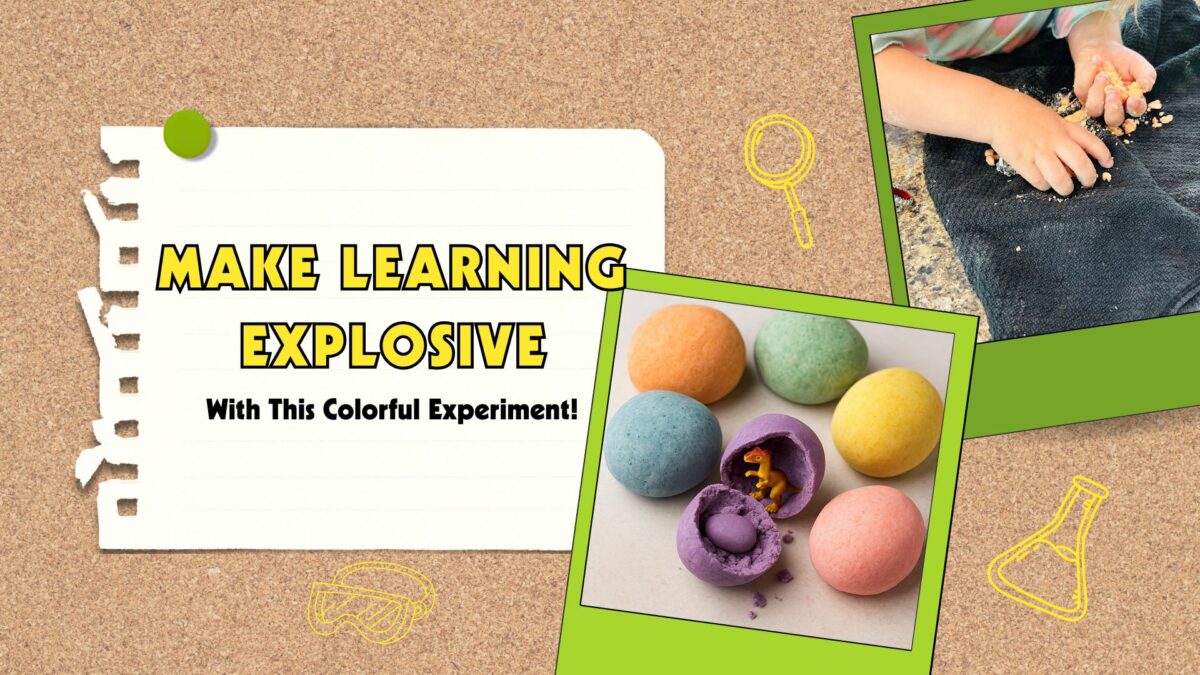
Looking for simple and exciting ways to keep your kids entertained? This colorful, hands-on experiment is one of the most creative sensory activity for kids you can do at home. With a few pantry staples, your child can mix, mold, and uncover hidden treasures—all while learning science through play.
Let’s dig into some fizzy fun!

Why Sensory Play Is Important
Sensory play helps children build essential skills through exploration and experimentation. Activities that engage the senses—especially touch and sight—promote brain development, improve focus, and support language growth. Whether they’re squeezing, scooping, or observing a reaction, kids are forming connections that strengthen their ability to learn and problem-solve.
That’s why adding sensory play to your summer routine is both fun and developmentally smart.

Ingredients
Start with these simple supplies to create your own fizzing treasure rocks.
- 2–3 cups of baking soda
- Water
- Food coloring
- Small toys or candies
- Bowls
- Spoons
Ready your baking soda and mix in the magic!
These ingredients create a colorful, moldable base perfect for hiding little surprises inside.

Directions
Follow these steps to make your very own hidden treasure fizzing rocks.
- Measure 2–3 cups of baking soda into separate bowls—one bowl for each color you want to create.
- Add a few drops of food coloring to each bowl and stir until the color is evenly mixed.
- Slowly pour in water while stirring, just until the mixture holds its shape when squeezed in your hand.
- Grab a handful, flatten it slightly, and place a small toy or candy in the center.
- Mold the mixture around the treasure to form a rock.
- Place your finished rocks on a tray and let them dry for 24 hours, until they’re completely hard.
- Present them as hidden gems or create a backyard treasure hunt adventure!
- When ready, drop them in a bowl of vinegar and enjoy the fizz as the treasures are revealed!
- For even more fun, hand kids squirt bottles of vinegar so they can fizz their rocks themselves.
This hands-on process leads to an exciting surprise—and lots of giggles!

What Kids Learn from This Sensory Activity
While kids are captivated by the fizz, they’re also learning about chemical reactions! When baking soda (a base) and vinegar (an acid) combine, they create carbon dioxide bubbles—aka fizz! It’s a fun way to introduce scientific vocabulary like “reaction,” “acid,” and “base” without needing a science degree.
This activity brings science to life in a way that feels like play, not a lecture.
Make Summer Sparkle with Sensory Activities for Kids
Whether you’re planning a playdate or just need a rainy-day boredom buster, sensory activities for kids like Treasure Rocks deliver smiles and science in one fun-filled package. With colorful fizz and hidden surprises, this activity turns curiosity into discovery—and playtime into learning.
So grab your baking soda, hide some treasures, and let the fizz-tastic fun begin!

Discover slippery quicksand fun with sensory STEM activities for kids that spark curiosity, creativity, and hands-on summer learning!