

Author: Cat Cooley
Valentine’s Day Box Ideas for Girls
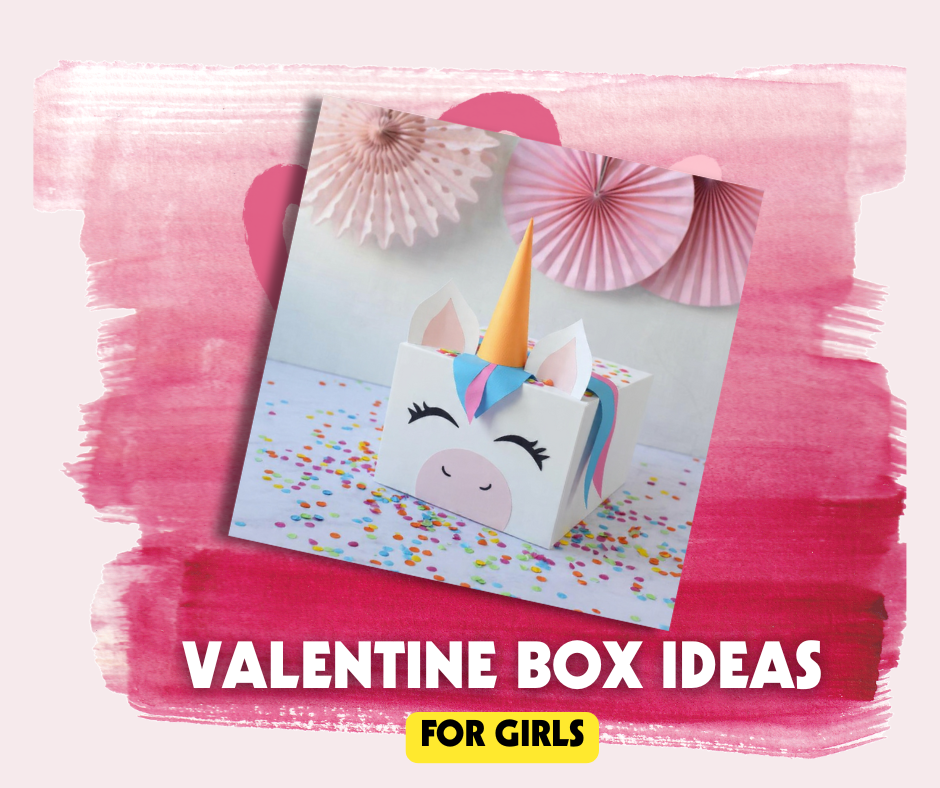
To kick off Valentine’s Day fun at school, every child needs a special place to collect their cards and treats. However, finding Valentine’s Day box ideas for girls that are cute and easy can feel overwhelming when time is short. Thankfully, with a few simple supplies and a little creativity, you can create a box your child will love without added stress.
As you plan ahead for the class party, it helps to focus on ideas that are quick, affordable, and kid-friendly. For that reason, the Valentine box ideas below are designed with busy parents in mind. By the end of this list, you’ll have simple options that look adorable and work perfectly for school.
Easy Valentine’s Day Box Ideas for Girls
Before diving into specific designs, it’s important to remember that Valentine’s Day boxes don’t need to be complicated. In fact, the best Valentine box ideas for kids are often the simplest ones. With that in mind, here are three easy, cute Valentine’s Day box ideas for girls that parents can actually make.

Heart Mailbox Valentine Box
To begin with a classic option, the heart mailbox Valentine box is always a favorite. This design works especially well because it’s simple, sturdy, and easy for kids to personalize. As a result, it’s perfect for preschool and elementary school classrooms.
To make this Valentine’s Day box, start with a standard shoebox. Next, wrap the box in pink, red, or white paper and cut a mail slot in the top. After that, let your child decorate it with foam hearts, stickers, or glitter accents. Finally, add their name to the front using a heart-shaped label or marker. By the end of the process, you’ll have a cute and functional Valentine mailbox ready for the party.
To make things easier, parents may want to cut the mail slot ahead of time. Additionally, using glue dots instead of liquid glue helps reduce mess and drying time. Overall, this heart mailbox Valentine box is a stress-free option that looks great on any classroom desk.

Unicorn Valentine Box
Next, for kids who love bright colors and magical themes, a unicorn Valentine box is a fun choice. Unicorns remain one of the most popular Valentine box ideas for girls, making this design both trendy and exciting. Even better, it can be as simple or detailed as you want.
To create a unicorn Valentine box, start with a white shoebox or cereal box. First, cut a slot near the top or behind where the unicorn horn will go. Then, make a paper horn and ears using construction paper or cardstock. After attaching those pieces, add a colorful mane using tissue paper, yarn, or ribbon. Finally, draw or glue on the unicorn’s eyes to bring it to life. Once finished, the box is ready to collect Valentine cards.
For younger kids, parents may want to assemble the main pieces ahead of time. In addition, skipping glitter can help avoid classroom messes. In the end, this unicorn Valentine box is cute, playful, and sure to stand out during the class party.

Princess Castle Valentine Box
Moving on to a more imaginative option, the princess castle Valentine box is perfect for kids who enjoy pretend play. This idea not only works well for Valentine’s Day but can also double as a toy after the party. As a result, it’s both fun and practical.
To make a princess castle Valentine box, begin with a shoebox or small shipping box. Next, cut cardboard pieces into tower shapes and attach them to the top of the box. After that, cover everything with pastel paper or paint. Then, add heart stickers, windows, and small flags for decoration. Finally, cut a Valentine slot along the top or between the towers so cards can easily fit inside. By the end, you’ll have a charming castle ready for school.
When making this box, it helps to keep the towers short so the box fits easily on a classroom desk. Additionally, letting kids decorate with washable markers makes cleanup simple. Overall, this princess castle Valentine box turns a simple craft into something magical.
Tips for Making Valentine’s Day Boxes Stress-Free
As Valentine’s Day approaches, a little planning can go a long way. To make the process easier, try gathering supplies a day or two ahead of time. This way, you won’t feel rushed right before the class party.
It’s also helpful to remember that kids don’t need perfection to feel proud of their work. Letting them decorate freely encourages creativity and confidence. In the end, a homemade Valentine box filled with personality is far more meaningful than a perfect one.
Valentine’s Day Box FAQs
What are easy Valentine’s Day box ideas for girls?
Easy Valentine’s Day box ideas for girls include heart mailbox boxes, unicorn-themed boxes, and princess castle boxes. These designs use simple materials like shoeboxes, paper, and stickers, making them quick and affordable for parents.
How do you make a Valentine box for a school class party?
To make a Valentine box for school, start with a shoebox or small cardboard box. Cut a slot for cards, decorate it with paper and stickers, and make sure it’s sturdy enough to hold Valentine cards and treats from classmates.
What size should a Valentine’s Day box be for school?
Most Valentine’s Day boxes should be small enough to fit on a classroom desk. A standard shoebox is usually the perfect size for elementary school parties.
Can kids help make their Valentine’s Day box?
Yes, kids can help make their Valentine’s Day box by decorating, choosing colors, and adding stickers. Parents can assist with cutting or assembling parts for safety.
Do Valentine boxes need to match a theme?
No, Valentine boxes do not need to follow a theme. While themes like hearts, unicorns, or princesses are popular, the most important thing is that your child enjoys their box.
Conclusion
To wrap things up, creating a Valentine’s Day box for your child’s class party doesn’t have to be stressful or time-consuming. With simple ideas like a heart mailbox, a unicorn box, or a princess castle, parents can choose a design that feels special while still being easy to make. Most importantly, these Valentine’s Day box ideas for girls allow kids to express their creativity and feel proud of what they bring to school.
As Valentine’s Day gets closer, remember that the best Valentine boxes aren’t about perfection. They’re about having fun, spending time together, and sending your child off to their class party with confidence. By the end of the day, a homemade Valentine box filled with cards, smiles, and memories is what truly makes the celebration meaningful.
Best Board Games for 4-6 Year Olds: Fun & Educational Picks
To begin with, choosing the right board games for 4 to 6 year olds can make a big difference in how kids experience playtime. At this age, children are learning how to follow rules, take turns, and stay focused for short periods of time. Because of that, the best games combine simple instructions, bright visuals, and quick rounds that keep kids engaged without frustration.
Board games for 4 to 6 year olds help build early learning skills like coordination, patience, communication, and problem-solving. Games designed for this age group focus on pictures instead of reading, hands-on play instead of long setups, and fun over competition. With that in mind, let’s look at some of the best options families love.

Zingo! – Early Reading and Matching Skills
To start with a favorite, Zingo! is a fast-paced matching game that feels like bingo for kids. Players slide a tile dispenser and race to match pictures and words on their boards. By the end of each round, kids stay excited while practicing focus and quick decision-making.
Why it’s great for ages 4–6:
Zingo! supports early reading, word recognition, and visual matching, making it one of the most educational board games for 4 to 6 year olds without feeling like schoolwork.

Don’t Break the Ice – Fine Motor and Turn-Taking Skills
Next, Don’t Break the Ice adds suspense and laughter to every turn. Kids carefully tap out ice blocks while trying not to make the penguin fall. As the game moves along, children learn patience and self-control.
Why it’s great for ages 4–6:
The simple rules and physical action help kids strengthen hand-eye coordination while learning how to take turns and handle anticipation.

Yeti in My Spaghetti – Focus and Coordination
Moving on to a silly favorite, Yeti in My Spaghetti challenges players to remove noodles without dropping the yeti. The tension builds with each move, and laughter usually follows. By the final turn, kids are fully invested.
Why it’s great for ages 4–6:
This game builds fine motor skills, concentration, and careful movement, which makes it a strong choice among board games for 4 to 6 year olds who love hands-on play.

Candy Land – Color Recognition and Simple Rules
When it comes to classic board games, Candy Land remains a go-to for young kids. Players move along a colorful path using cards instead of numbers or reading. As the game comes to an end, kids feel confident playing independently.
Why it’s great for ages 4–6:
With no reading required, Candy Land is perfect for preschool and kindergarten kids who are still learning basic game mechanics.

Sequence for Kids – Beginner Strategy and Pattern Recognition
Shifting toward light strategy, Sequence for Kids introduces simple planning through animal matching. Players try to make rows on the board by placing pieces in the right spots. By the final move, kids feel proud of thinking ahead.
Why it’s great for ages 4–6:
This game encourages problem-solving and pattern recognition while keeping the rules easy to understand.

Bingo Games for Kids – Listening and Visual Scanning
For a flexible family option, kid-friendly bingo games use pictures and themes that appeal to young players. Children listen, scan their boards, and match images as they play. As each round wraps up, kids stay focused without feeling overwhelmed.
Why it’s great for ages 4–6:
Bingo helps improve listening skills, attention, and patience, making it a reliable option when choosing board games for 4 to 6 year olds.
Bluey-Themed Games – Cause and Effect Through Play
Finally, Bluey-themed board games bring familiar characters into simple, interactive gameplay. Whether it’s a pop-up surprise or a scavenger-style activity, kids connect instantly. By the end of the game, even reluctant players are asking for another round.
Why it’s great for ages 4–6:
Familiar characters help kids stay engaged while learning cause-and-effect, cooperation, and social play.
What to Look for in Board Games for 4 to 6 Year Olds
Before choosing a game, it helps to know what works best for this age group. The most successful board games for 4 to 6 year olds usually include:
- Simple rules with visual instructions
- Playtime that lasts 10–20 minutes
- Opportunities for turn-taking and patience
- Activities that support motor skills or early learning
- Fun gameplay even when kids don’t win
Keeping these features in mind makes game night smoother and more enjoyable for everyone.
Conclusion
In conclusion, the best board games for 4 to 6 year olds are designed to be fun, approachable, and developmentally supportive. Games like Zingo!, Candy Land, and Yeti in My Spaghetti help kids learn important skills such as focus, coordination, and cooperation—without pressure. As you build your family game collection, choosing age-appropriate board games ensures playtime stays engaging, educational, and full of laughter.

Discover the best board games for kids ages 6-13! These fun and educational games build skills like teamwork, strategy, and problem-solving.
Science Experiments for Kids: Fizzy Confetti Eruptions at Home

To start things off, if you are looking for science experiments for kids at home that are fun, colorful, and easy to set up, Fizzy Confetti Eruptions is the perfect activity. This baking soda and vinegar experiment turns your kitchen into a mini science lab while keeping kids entertained for a long time. By the end of this activity, your child will feel like a real scientist.

Why This Is One of the Best Science Experiments for Kids at Home
To begin with, kids love this activity because it feels more like a celebration than a lesson. When the bubbles lift the confetti into the air, it creates a fun surprise every time. This simple chemistry experiment also keeps kids curious and asking questions. As a result, it is one of the most memorable easy science experiments for kids you can do.
Baking Soda and Vinegar Experiment Supplies
Before you get started, gather these items so the fun never stops:
- Baking soda (2–3 tablespoons)
- White vinegar (½ cup)
- Confetti
- Food coloring (optional)
- Clear cup or jar
- Spoon or funnel
- Paper towels
Once your supplies are ready, you can move straight into setup.
How to Set Up This Easy Science Experiment for Kids
- Place your cup or jar on a tray or inside a baking dish.
- Add 2–3 tablespoons of baking soda into the container.
- Sprinkle in a pinch of confetti.
- (Optional) Add a few drops of food coloring on top of the baking soda.
- Pour ½ cup vinegar into the cup.
- Step back and watch the bubbly confetti explosion!
The Chemistry Behind Baking Soda and Vinegar
Now that the excitement has started, it is time to explain the science in a simple way. Baking soda is a base and vinegar is an acid. When they mix, they create carbon dioxide gas, which makes the bubbles. The gas pushes the liquid and confetti upward. With this explanation, kids start to understand how chemistry works in real life.
Simple STEM Activities to Try Next
Once your child understands the basics, change the experiment to keep learning going. Use tall cups, wide bowls, or add more baking soda to see what happens. This helps turn one project into many fun STEM activities for elementary kids. After a few rounds, kids will begin predicting their own results.
More Fun Science Experiments for Kids at Home
In the end, this baking soda and vinegar experiment is one of the best science experiments for kids at home because it mixes learning with excitement. It works great for rainy days, birthday fun, or anytime kids need a wow-factor. When the last bubble fades, your kitchen will be full of smiles, curiosity, and a love for science.

Create colorful fizzing fun with sensory activities for kids! Hide treasures in baking soda rocks and explore science through play.