

Author: Cat Cooley
Helping Kids Develop Social Skills: 1st–5th Grade
Strong social skills are just as important for kids as reading or math. Friendships, teamwork, and communication all rely on these abilities—and the earlier we help children practice, the stronger they become. If you’re a parent or teacher, helping kids develop social skills in 1st–5th grade can set them up for success both inside and outside the classroom.
In this post, you’ll discover why social skills matter, how to encourage them in everyday life, and two free resources—Find a Friend Bingo Challenge and My Super Strengths—that make learning these skills both fun and engaging.
Why Social Skills Matter in Elementary School
During the elementary years, children are learning more than academics—they’re learning how to cooperate, show empathy, solve problems, and build relationships. These skills influence everything from classroom participation to playground friendships.
By understanding the value of these abilities now, parents and teachers can guide children toward becoming confident, respectful, and empathetic individuals. And the best part? Many social skills can be strengthened through small, consistent activities woven into daily routines.
Simple Ways to Support Social Skill Development
One of the best ways to encourage social growth is to model positive behavior. Let kids see you greet others warmly, listen actively, and handle disagreements respectfully. They’ll learn more from what you do than what you say.
Another effective approach is role-playing real-life situations—such as joining a new group at recess or working through a misunderstanding. These scenarios give kids a safe space to practice before they encounter them in real life.
Finally, group activities and games naturally encourage cooperation, patience, and communication. By combining fun with learning, kids build their skills without feeling like they’re in a lesson.
To make this process even easier, we’ve created two free, ready-to-use resources for you to try with your students or children at home.
Free Download #1 – Find a Friend Bingo Challenge
Description: This printable bingo game invites kids to talk to classmates or friends to find someone who matches each square’s prompt (examples: “Has a pet,” “Loves pizza,” “Has traveled to another state”).
Skills Developed: Kids practice starting conversations, listening to others, and finding shared interests—core skills for making and keeping friends.
How to Use It: Print the bingo cards and encourage kids to complete a row, column, or the whole card. Use it during the first week of school, at recess, or even during a family gathering.
This simple activity breaks the ice and helps kids connect in a low-pressure, fun way.
Free Download #2 – My Super Strengths
Description: This worksheet helps kids identify their personal strengths and share them with others, boosting self-confidence and awareness.
Skills Developed: Self-awareness, positive self-talk, and recognizing that everyone has unique talents and contributions.
How to Use It: Give kids time to fill out their strengths, then share in small groups or as a class. You can also display completed sheets on a bulletin board to celebrate everyone’s abilities.
By focusing on what makes each child unique, you create an environment where differences are valued and everyone feels seen.
Encouraging Growth Over Time
Social skills aren’t learned in a day—they develop through repeated practice and positive reinforcement. Whether it’s inviting a new classmate to join a game, listening when someone shares a story, or offering help, each interaction is a chance to grow.
Pairing consistent encouragement with fun, structured activities like our free downloads can make the process both effective and enjoyable.
Conclusion
Whether you’re in the classroom or at home, helping kids develop social skills is one of the most valuable investments you can make in their future. With the right guidance, kids can learn how to communicate, cooperate, and build friendships that last.
Start today by printing Find a Friend Bingo Challenge and My Super Strengths—and watch your children’s confidence and connections grow all year long.

Boost fine motor skills with free scissor skill kid worksheets. Fun, easy cutting practice for parents, teachers, and early learners!
Free Scissor Skill Kid Worksheets
Helping kids master scissor skills is more important than many parents realize. Strong cutting abilities support handwriting, self-care tasks like buttoning clothes, and even focus and coordination in the classroom. That’s why providing engaging tools—like free scissor skill kid worksheets—can be a game-changer for building fine motor development at home or in school.
Why Are Scissor Skills Important?
To start, scissor skills are about more than just cutting paper. When children learn to cut, they strengthen the small muscles in their hands and fingers. These muscles are essential for gripping pencils, holding utensils, and performing everyday tasks. In addition, cutting activities improve hand-eye coordination and bilateral coordination, as kids must hold the paper steady with one hand while cutting with the other.
As you can see, practicing with scissors sets the stage for success in other skills—like writing and drawing—down the road. This is why occupational therapists and early childhood educators often recommend scissor activities early and often.
How to Introduce Scissors to Kids
Next, it’s helpful to introduce scissors in a gradual, safe way. Start by choosing child-safe scissors with blunt tips and ergonomic handles. Show children how to hold the scissors correctly, keeping their thumb on top and fingers in the lower loop. Begin with simple “snipping” tasks, such as cutting playdough or straws, before moving on to paper worksheets.
By starting simple and modeling proper technique, you’ll help children feel confident as they work toward more complex tasks like cutting along straight lines, zigzags, and shapes.
Using Free Printable Worksheets
Once kids are comfortable holding scissors, printable worksheets are a perfect next step. These sheets feature bold lines, patterns, and shapes that guide children through progressive levels of difficulty. For example, a beginner might practice cutting along straight lines, while more advanced learners can follow curves or cut out simple shapes.
Furthermore, printable worksheets are convenient for parents and teachers alike. They’re easy to download, print, and reuse, making them an affordable option for classrooms, therapy sessions, or at-home practice.
Creative Ways to Make Cutting Fun
Finally, remember that practice doesn’t have to be boring. Turn worksheets into themed activities, such as cutting flower petals for spring crafts or snowflakes for winter art. You can also combine scissor skills with sensory play by cutting textured paper, foam, or felt. This variety keeps children engaged while strengthening their hands.
When kids see cutting as fun rather than work, they’ll be more motivated to stick with it and improve over time.
Encourage Consistent Practice
In conclusion, helping kids practice cutting can boost confidence, prepare them for school tasks, and improve overall fine motor control. With free scissor skill kid worksheets, parents and educators have an easy, budget-friendly tool to make this important skill both fun and accessible. Download a few today and watch your child’s coordination and creativity flourish—one cut at a time.

Create colorful fizzing fun with sensory activities for kids! Hide treasures in baking soda rocks and explore science through play.
Easy Sensory Activity for Kids: Treasure Rocks
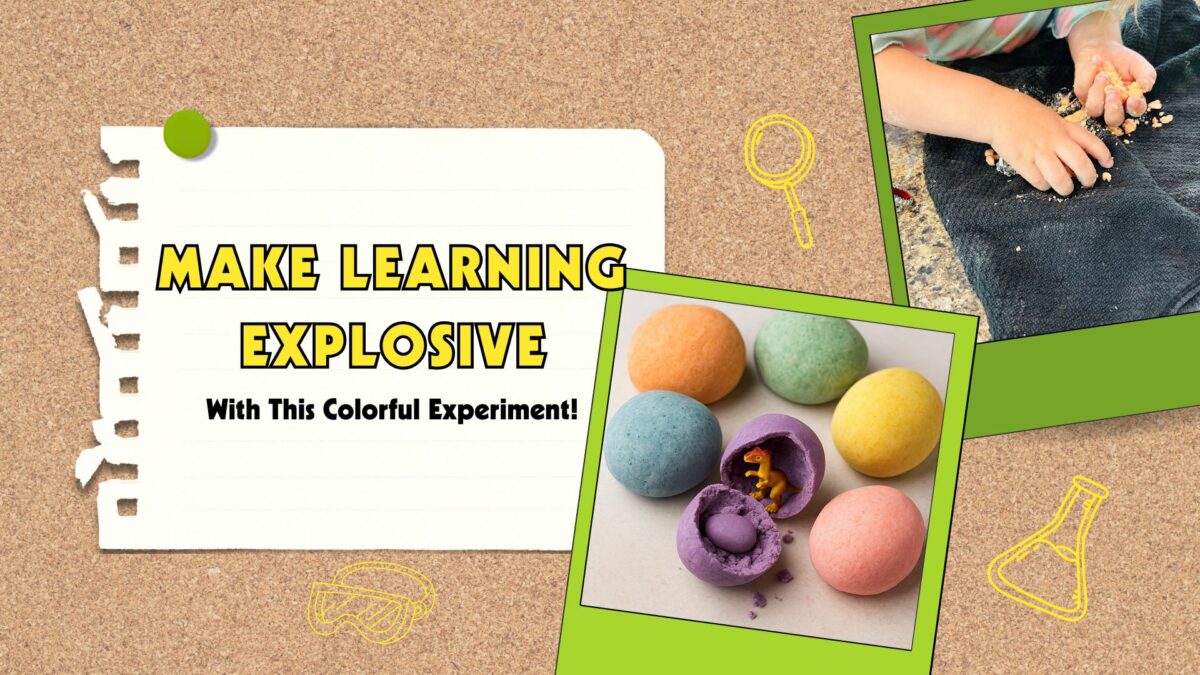
Looking for simple and exciting ways to keep your kids entertained? This colorful, hands-on experiment is one of the most creative sensory activity for kids you can do at home. With a few pantry staples, your child can mix, mold, and uncover hidden treasures—all while learning science through play.
Let’s dig into some fizzy fun!

Why Sensory Play Is Important
Sensory play helps children build essential skills through exploration and experimentation. Activities that engage the senses—especially touch and sight—promote brain development, improve focus, and support language growth. Whether they’re squeezing, scooping, or observing a reaction, kids are forming connections that strengthen their ability to learn and problem-solve.
That’s why adding sensory play to your summer routine is both fun and developmentally smart.

Ingredients
Start with these simple supplies to create your own fizzing treasure rocks.
- 2–3 cups of baking soda
- Water
- Food coloring
- Small toys or candies
- Bowls
- Spoons
Ready your baking soda and mix in the magic!
These ingredients create a colorful, moldable base perfect for hiding little surprises inside.

Directions
Follow these steps to make your very own hidden treasure fizzing rocks.
- Measure 2–3 cups of baking soda into separate bowls—one bowl for each color you want to create.
- Add a few drops of food coloring to each bowl and stir until the color is evenly mixed.
- Slowly pour in water while stirring, just until the mixture holds its shape when squeezed in your hand.
- Grab a handful, flatten it slightly, and place a small toy or candy in the center.
- Mold the mixture around the treasure to form a rock.
- Place your finished rocks on a tray and let them dry for 24 hours, until they’re completely hard.
- Present them as hidden gems or create a backyard treasure hunt adventure!
- When ready, drop them in a bowl of vinegar and enjoy the fizz as the treasures are revealed!
- For even more fun, hand kids squirt bottles of vinegar so they can fizz their rocks themselves.
This hands-on process leads to an exciting surprise—and lots of giggles!

What Kids Learn from This Sensory Activity
While kids are captivated by the fizz, they’re also learning about chemical reactions! When baking soda (a base) and vinegar (an acid) combine, they create carbon dioxide bubbles—aka fizz! It’s a fun way to introduce scientific vocabulary like “reaction,” “acid,” and “base” without needing a science degree.
This activity brings science to life in a way that feels like play, not a lecture.
Make Summer Sparkle with Sensory Activities for Kids
Whether you’re planning a playdate or just need a rainy-day boredom buster, sensory activities for kids like Treasure Rocks deliver smiles and science in one fun-filled package. With colorful fizz and hidden surprises, this activity turns curiosity into discovery—and playtime into learning.
So grab your baking soda, hide some treasures, and let the fizz-tastic fun begin!

Discover slippery quicksand fun with sensory STEM activities for kids that spark curiosity, creativity, and hands-on summer learning!