

How to Restore Play-Based Childhood in a Digital World

Where did the fun go?
Decades ago, kids roamed their neighborhoods, played for hours, and only returned home when the streetlights flickered on. Today, children spend their free time glued to screens, scrolling endlessly, and missing out on real-world experiences. The shift happened fast, and many parents feel powerless to stop it. But the good news? Here’s how to restore a play-based childhood in a digital world with steps you can take!
Why Play-Based Childhood Matters
Before we dive into solutions, let’s explore why this shift matters. Play isn’t just about fun—it’s how children learn, build confidence, and form strong friendships. Without it, kids struggle with social skills, creativity, and emotional resilience.
Unfortunately, smartphones and social media now dominate childhood. At the same time, fear-driven parenting has convinced many adults that kids are safer indoors, monitored every second. This double hit—too much tech, too much oversight—has created an anxious, lonely, and distracted generation.
The result? Kids spend more time in front of screens and less time playing, exploring, and problem-solving. But this isn’t just a trend—it’s something we can reverse with the right mindset and strategies.
How Screen Time Took Over Childhood
A decade ago, parents unknowingly handed their children a pocket-sized distraction machine. Smartphones connected kids to the internet 24/7, exposing them to social media algorithms designed to steal their attention. Meanwhile, gaming companies introduced casino-like mechanics that hook kids into endless playing loops.
At the same time, news cycles pushed terrifying stories about child predators, kidnappings, and dangers lurking outside. The result? Many parents felt they had no choice but to closely monitor every moment of their child’s physical life while leaving them largely unprotected online.
Without strong boundaries, technology filled the space where real-world play used to live. But here’s the truth: childhood doesn’t have to be like this. You can help your child break free from screen addiction and rediscover the joy of hands-on, real-life fun.
Simple Ways to Restore Play-Based Childhood
Now that we understand the problem, let’s focus on solutions. Here are practical steps to help your child unplug and re-engage with real play:
Set Clear Tech Boundaries
You don’t have to ban technology completely, but you do need to set firm limits. Start with these small but impactful changes:
- No screens before school—Encourage a calmer, more focused morning.
- No devices at the dinner table—Make mealtime about conversation.
- Screen-free evenings—Replace scrolling with board games, books, or outdoor activities.
- One hour of screen time per day—Help kids balance digital and real-world fun.
Consistency is key. The more predictable the rules, the easier they become to follow.

Encourage Unstructured Outdoor Play
Many kids resist outdoor play at first because screens offer constant entertainment. To reintroduce outdoor fun, make it easy and appealing:
- Create a backyard adventure—Set up an obstacle course, build a fort, or start a garden.
- Give them “old-school” toys—Jump ropes, balls, and bikes can work wonders.
- Find a play buddy—Encourage your child to invite a friend outside.
Once kids get past the initial boredom, they remember how much fun real play is.

Replace Passive Consumption with Active Play
Kids get hooked on screens because they provide instant, easy entertainment. Combat this by offering engaging alternatives:
- Swap video games for hands-on activities like Legos, puzzles, or art projects.
- Encourage storytelling—Ask your child to write a comic strip instead of watching TV.
- Introduce real-world gaming—Start a family board game night or teach them classic card games.
When kids stay actively engaged, they don’t miss screens as much.
Teach Kids About Social Media Manipulation
Many children don’t realize how social media tricks them into staying online longer. Explain how companies profit from keeping them scrolling and challenge them to take control of their attention.
To help them step back, suggest a one-week social media break and track how they feel. Many kids notice they sleep better, feel happier, and enjoy life more—proving that less screen time actually improves their well-being.

Model the Behavior You Want to See
Kids learn by watching, and if they see you constantly checking your phone, they’ll do the same. Set an example by:
- Reducing your own screen time—Put your phone away during family activities.
- Choosing real-life fun over scrolling—Read, play, or engage in a hobby.
- Talking about tech boundaries openly—Explain why limiting screen time benefits the whole family.
When kids see parents prioritizing real-world connections, they’re more likely to follow suit.
A Play-Based Childhood Is Possible
Changing habits won’t happen overnight, but every small step makes a difference. When you limit screen time, encourage outdoor play, and offer engaging alternatives, you help your child reclaim a childhood filled with adventure, creativity, and real friendships.
Remember, childhood has changed—but it doesn’t have to stay this way. You have the power to create a better balance for your family. The first step? Start today.

Discover the best board games for kids ages 6-13! These fun and educational games build skills like teamwork, strategy, and problem-solving.
Top Winter STEM Activities to Try with Your Kids

Starting the new year with fun and educational activities is a great way to inspire young minds. For parents looking to combine learning with entertainment, STEM (Science, Technology, Engineering, and Mathematics) activities are the perfect solution. These hands-on projects encourage creativity, critical thinking, and problem-solving while keeping kids engaged. Similar to how board games for kids foster collaboration and strategy, STEM activities help children develop essential skills in a fun environment. Here are seven exciting STEM activities to kick off the new year and spark curiosity in your kids.
Fireworks in a Glass
Begin your STEM adventure with a colorful experiment that simulates fireworks in water. Mix oil, water, and food coloring, and watch as the colors burst and swirl. This simple activity demonstrates density and solubility while providing a visual treat. The concept is easy for kids to grasp, making it perfect for ages 6 and up. Once the experiment is done, you can discuss how oil and water interact differently due to their molecular structures.
DIY Confetti Poppers
Get creative by designing homemade confetti poppers. All you need are balloons, cups, and some confetti. Kids will love the hands-on aspect of assembling their poppers and testing them out. This activity introduces basic engineering concepts like elasticity and force while providing a festive way to celebrate. As your kids explore different designs, they’ll develop an understanding of how small changes impact results.
Ball Drop Challenge
Recreate the iconic New Year’s Eve ball drop with a STEM twist. Challenge your kids to build a device that safely catches a falling ball. This activity combines physics and problem-solving as kids consider gravity, momentum, and cushioning materials. Just like when playing board games for kids, teamwork and creativity are key to completing this challenge. At the end, encourage your kids to reflect on what worked and what they might improve.
Fizzy Confetti Eruptions
Combine chemistry with celebration in this bubbly experiment. Mix baking soda, vinegar, and confetti to create a fizzy reaction that will delight your kids. This activity introduces chemical reactions and helps kids understand how acids and bases interact. As they watch the eruption, they’ll also learn about how gases form during a reaction. The colorful confetti adds a festive touch, making science feel like a party.
Magic Milk Experiment
Explore the chemistry of fats and surface tension with the magic milk experiment. Add drops of food coloring to a bowl of milk, then introduce dish soap. The colors will dance and swirl, creating mesmerizing patterns. This simple activity captivates kids while teaching them how molecules interact. Afterward, you can discuss the role of soap in breaking down fats and why this reaction happens.
DIY Ice Cream Creation
Turn your kitchen into a science lab by making ice cream in a bag. Combine ice, salt, and basic ingredients to create a tasty treat while exploring the principles of freezing point depression and phase changes. Kids will love shaking the bag and watching liquid transform into a creamy dessert. This activity is both educational and delicious, making it a hit for family STEM time.
Toothpick and Marshmallow Structures
Unleash your kids’ inner architects with a building challenge using toothpicks and marshmallows. Encourage them to construct various shapes and test their stability. This activity strengthens their understanding of geometry and structural engineering while sparking creativity. As they experiment with different designs, they’ll see how small adjustments can make structures stronger. Like board games for kids, this activity fosters strategic thinking and teamwork.
Conclusion
Starting the new year with STEM activities sets the stage for a year full of curiosity and learning. These hands-on projects teach essential concepts in science, technology, engineering, and math while providing endless fun. Similar to the benefits of board games for kids, these activities encourage collaboration, critical thinking, and creativity. By incorporating these seven STEM projects into your routine, you’ll create memorable experiences and help your kids develop skills that will serve them for a lifetime. So grab your supplies, spark some curiosity, and kick off the new year with these exciting STEM adventures!

Planning a Princess Peach Party? Check out these fun and easy ideas for decor, food, and gift boxes to create a magical celebration fit for royalty!
10 Best Family Board Games for Kids Ages 6-13
Board games bring families together, spark creativity, and teach essential skills like teamwork, strategy, and problem-solving. For kids ages 6-13, the right board game can transform a rainy afternoon into a fun-filled learning experience. These games provide opportunities to build bonds, encourage critical thinking, and create lasting memories. If you’re looking for engaging and educational board games for kids, this list will guide you to some of the best options. Let’s dive in and explore how these games can enhance your family’s playtime!
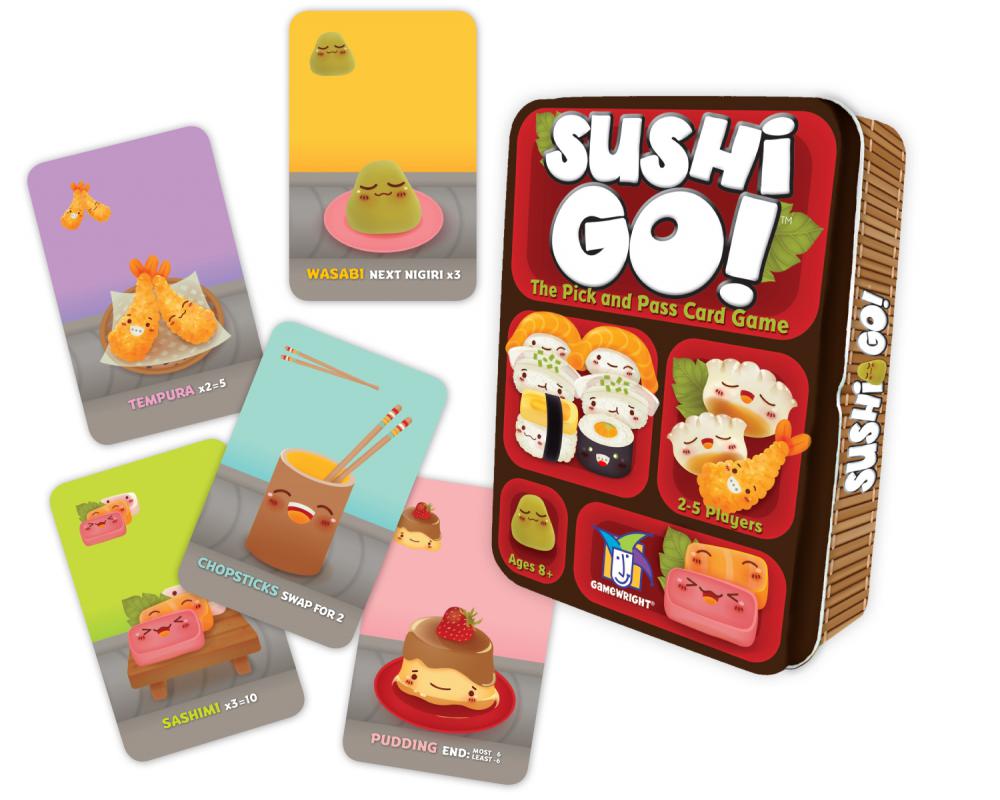
Sushi Go!
To kick off our board games for kids list, let’s start with a game that’s as quick as it is fun—Sushi Go!. This game combines speed and strategy as players create the best sushi meal combinations. The fast-paced gameplay keeps kids engaged while teaching them to make decisions based on their opponents’ moves. Perfect for family game nights, this lighthearted card game is easy to learn and enjoyable for kids as young as 6. By the end of the first round, you’ll be hooked on the thrill of creating the ultimate sushi feast.

Qwirkle
If your family enjoys puzzles and patterns, Qwirkle is the game for you. This strategy game challenges players to match colors and shapes while planning their moves carefully. With its straightforward rules, Qwirkle encourages critical thinking and problem-solving, making it ideal for kids and adults alike. As you finish each game, you’ll notice how players become more skilled at anticipating moves and creating strategies to win.
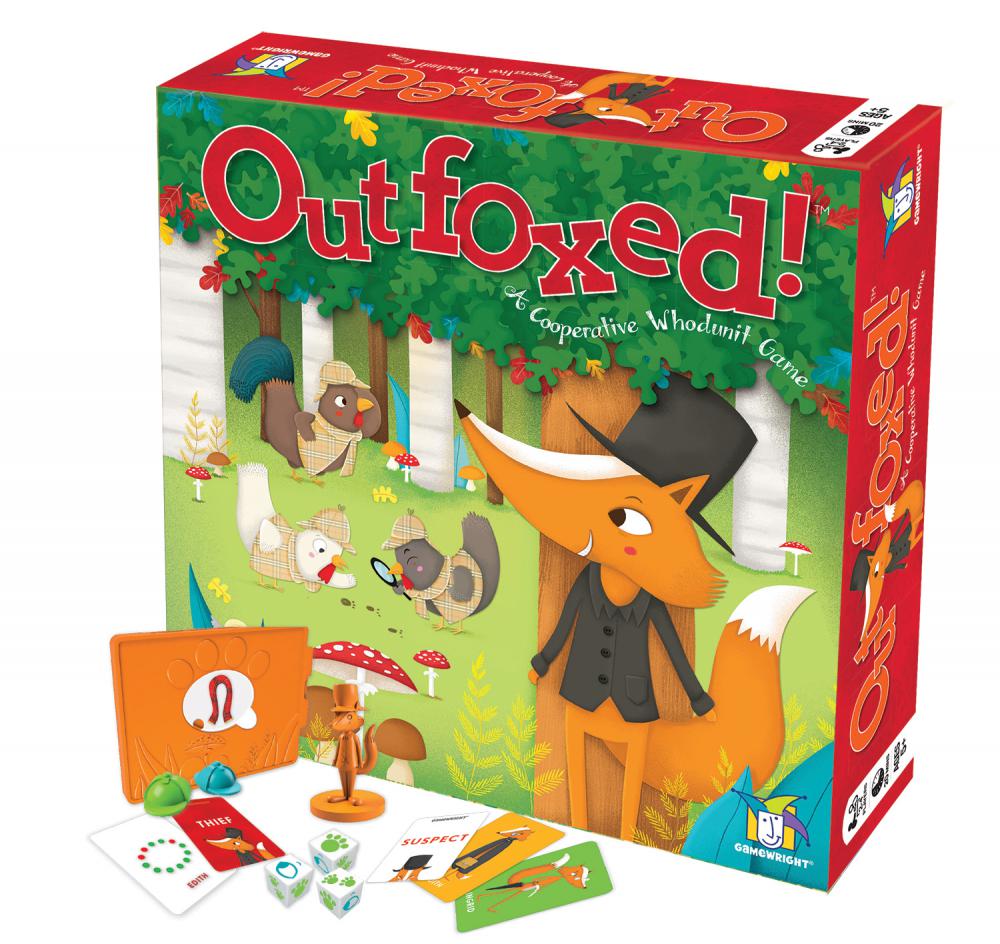
Outfoxed!
Moving on to a cooperative challenge, Outfoxed! lets players work together to solve a whodunit mystery. This engaging game teaches teamwork and deduction as kids collaborate to catch a sneaky fox. It’s an excellent choice for younger children who enjoy solving puzzles with others. By the time the game ends, everyone will feel like a detective ready to solve the next big mystery.
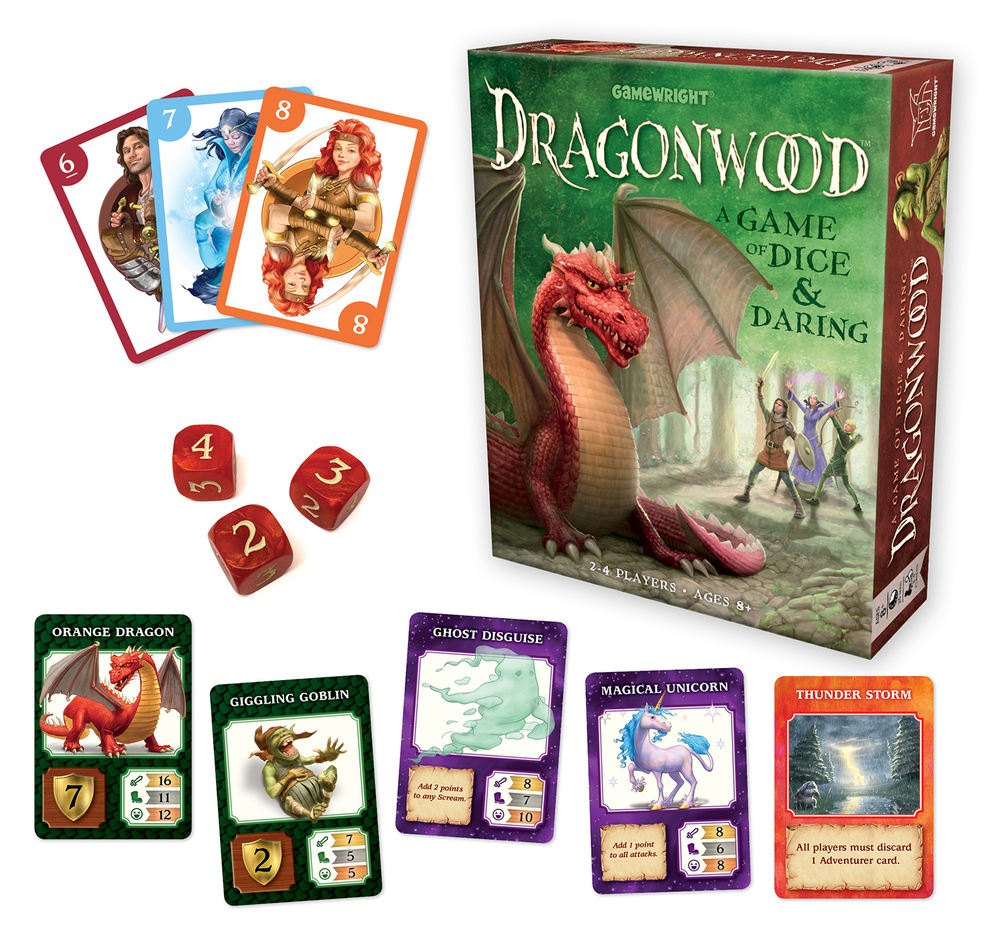
Dragonwood
For a touch of fantasy, Dragonwood brings mythical creatures and daring adventures to your table. Players roll dice and collect cards to capture dragons and monsters, blending strategy and luck. The game’s simple mechanics make it accessible, while the exciting theme keeps kids aged 8 and up engaged. As you complete each adventure, your family will feel like heroes ready to take on their next quest.
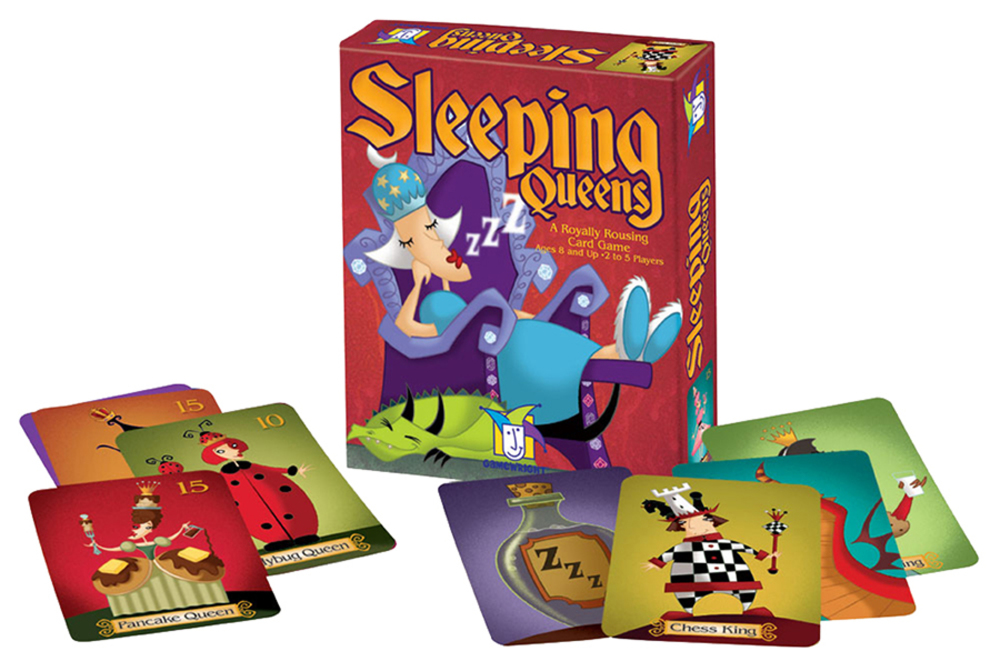
Sleeping Queens
Switching gears to a whimsical card game, Sleeping Queens offers a delightful mix of strategy and fun. Players use math skills and quick thinking to wake as many queens as possible. Its vibrant artwork and straightforward rules make it an excellent option for younger kids, while older siblings will still find it entertaining. By the end of the game, everyone will be eagerly planning strategies for the next round.
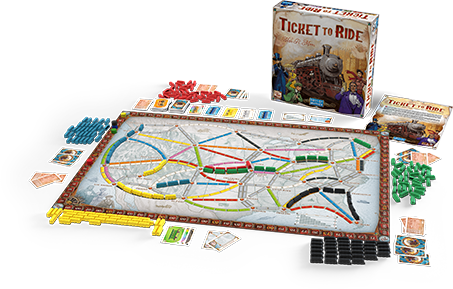
Ticket to Ride
If your family enjoys travel and adventure, Ticket to Ride provides a perfect mix of strategy and fun. Players collect cards to claim railway routes across North America, competing to connect cities and outsmart opponents. This game teaches planning and decision-making while offering hours of enjoyment. When the game concludes, you’ll be amazed at how engaged everyone was in building their railway empire.
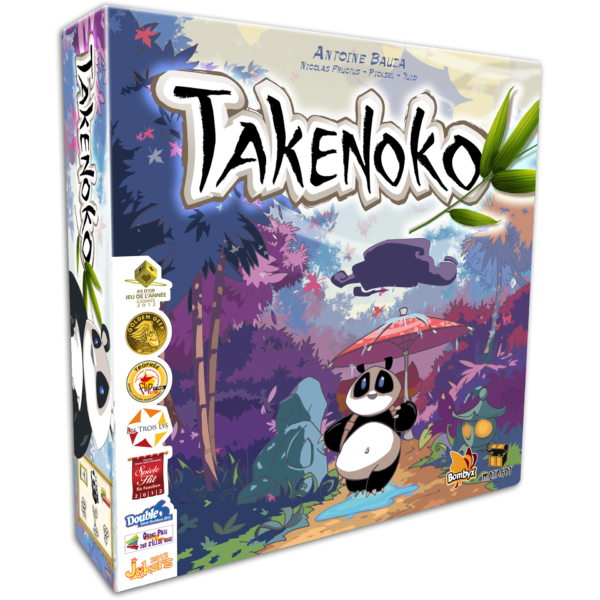
Takenoko
Let’s add some charm to your game night with Takenoko. In this farming-style game, players grow bamboo, irrigate land, and care for a panda—all while completing strategic objectives. Its colorful design and engaging gameplay make it a hit for kids aged 8 and up. Once the game wraps up, your family will love reflecting on the fun and creativity it sparked.
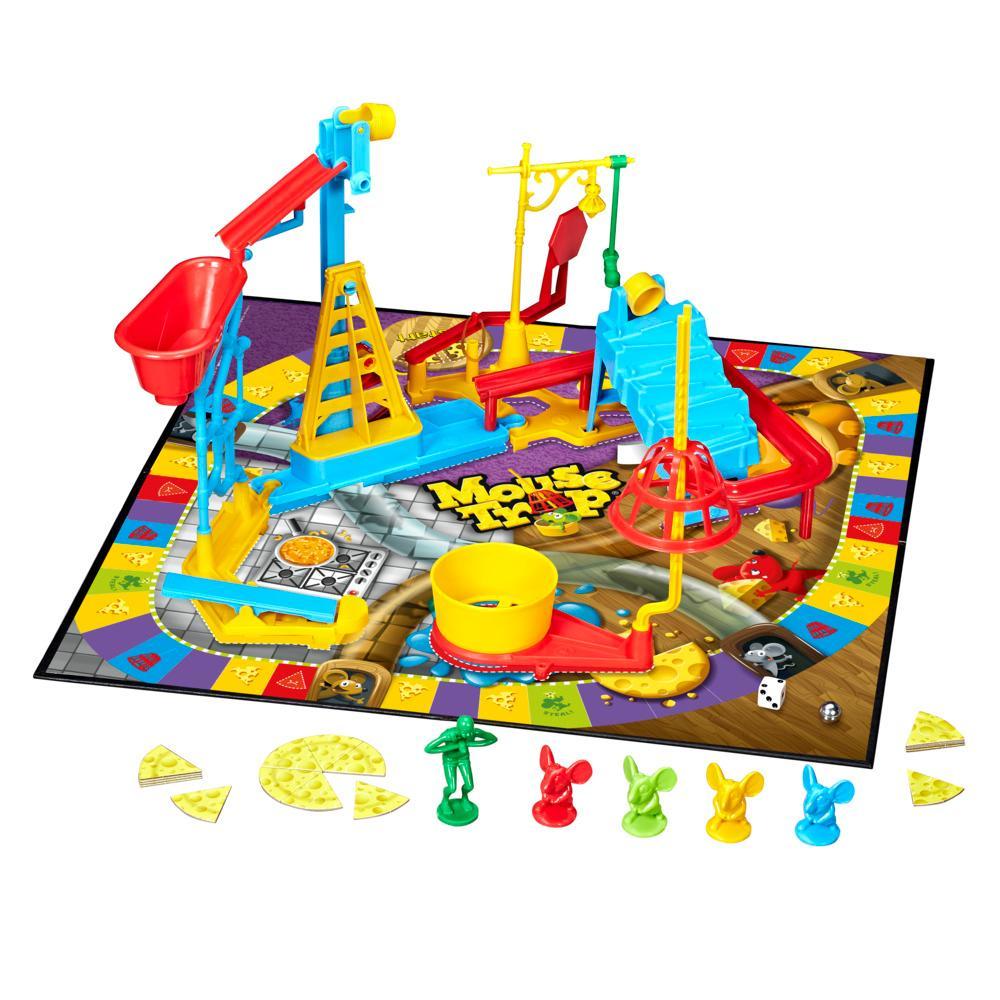
Mouse Trap
Stepping into a classic favorite, Mouse Trap combines hands-on construction with exciting gameplay. Players build an elaborate mousetrap to catch their opponents’ game pieces, encouraging creativity and critical thinking. Kids aged 6 and up will enjoy assembling the trap and watching it in action. By the end of the game, everyone will be laughing and cheering as the trap springs into motion.
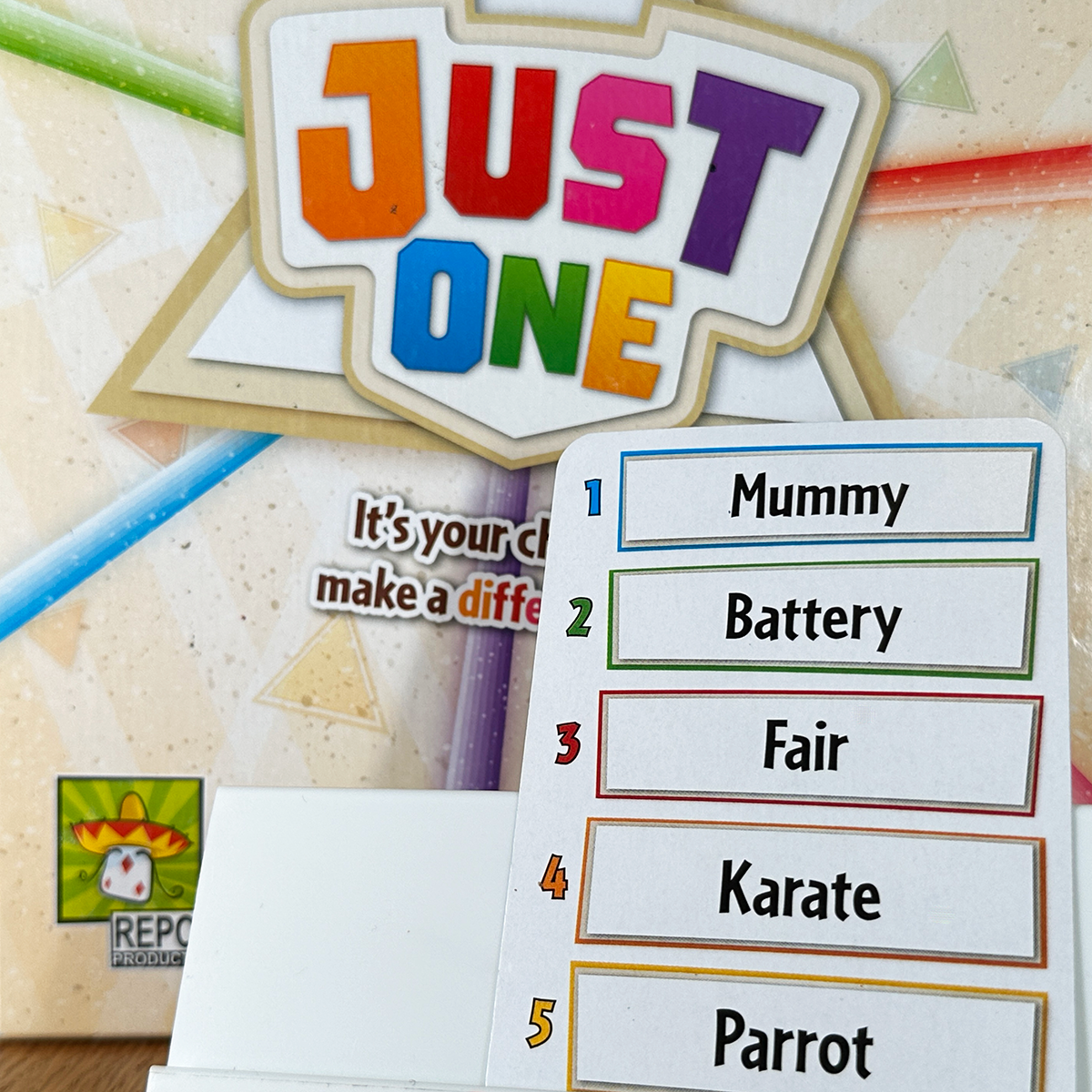
Just One
For families who love word games, Just One offers a cooperative twist. Players work together to guess mystery words, promoting creativity and teamwork. Its simple rules make it easy to jump into, and kids aged 8 and up will enjoy the challenge of creating clever clues. As the game winds down, you’ll appreciate how it brought everyone closer through collaboration.
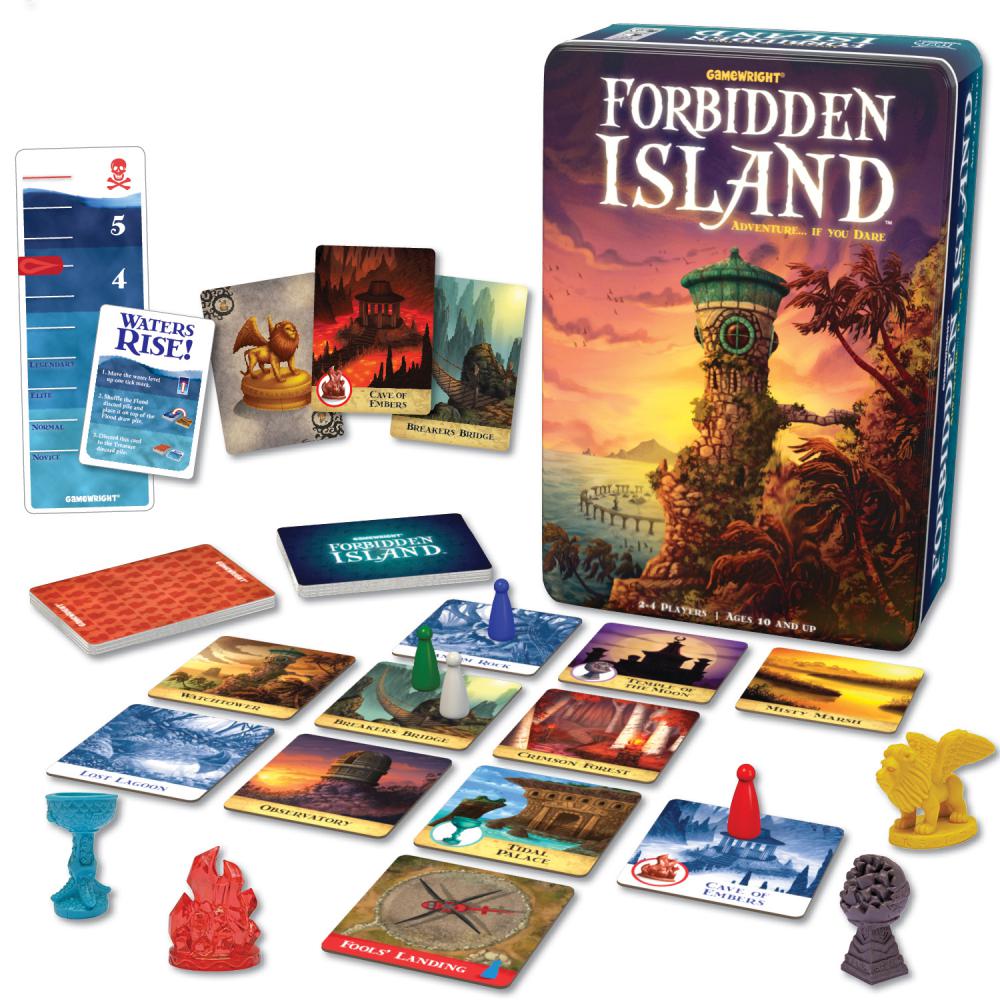
Forbidden Island
To round out the list, Forbidden Island delivers an exhilarating cooperative adventure. Players work as a team to collect treasures and escape a sinking island, emphasizing strategic planning and problem-solving. With its immersive gameplay, this game is perfect for kids aged 10 and up who enjoy a challenge. By the time you complete your daring escape, your family will be ready to tackle another thrilling adventure together.
Conclusion
These board games for kids offer more than just entertainment—they create opportunities for learning, bonding, and building essential life skills. From strategic challenges like Ticket to Ride to whimsical adventures like Sleeping Queens, there’s a game for every family. Add one of these to your next game night and watch as your kids develop teamwork, critical thinking, and creativity while having a blast. With so many options, it’s easy to find a game that fits your family’s interests and brings everyone closer together. Start playing today and make memories that last a lifetime!

Encourage reading with video game books for kids! Discover fun, engaging titles that connect their love of gaming with the joy of reading.