

Why Schools & Daycares Choose GameTruck for Summer Activities

Summer planning usually involves juggling expensive bus schedules, unpredictable weather, and endless permission slips. But what if the ultimate field trip rolled right into your parking lot? Industry data reveals that off-site transportation creates the largest hidden cost for youth programs, driving a massive need for stress-free school activity planning.
To eliminate these logistical hurdles, administrators are turning to the Mobile Gaming Theater. This “Home-to-Hub” model takes the excitement of a living room console and scales it into a professionally managed, on-site social event. By booking a GameTruck for summer activities, organizers discover top-tier safe summer camp entertainment ideas that deliver a powerful trifecta: guaranteed on-campus safety, collaborative social growth, and completely effortless execution.
Eliminating Bus Rentals and Permission Slip Fatigue
Instead of absorbing high transportation costs and increased liability risks, modern administrators are embracing on-site daycare field trip alternatives. By keeping students securely on campus, you eliminate the unpredictable variables of off-site travel while still delivering an unforgettable experience.
When evaluating turnkey mobile event solutions for educators, the administrative advantages become immediately clear. Compare traditional outings to seamless game truck rentals:
- Busing: Eliminated entirely versus expensive per-hour transit.
- Permission Slips: Standard on-campus waivers versus complex travel authorizations.
- Chaperone Ratios: Expertly managed by a Certified GameCoach versus pleading for parent volunteers.
- Weather Contingency: Fully climate-controlled environments versus scrambling for rain dates.
Reducing administrative burnout during peak summer months is just as valuable as the financial savings. Because the mobile theater is completely self-contained, educators can finally step back and breathe. This turnkey logistics approach solves scheduling nightmares, freeing staff to focus on the educational benefits of the experience.

Beyond Screen Time: Building Social Skills Through Side-by-Side Play
Today’s students crave shared experiences, making it vital to distinguish solitary screen time from a mobile gaming theater’s active environment. Rather than sitting alone with a headset, children engage in “Side-by-Side Play.” This supervised setting transforms modern gaming consoles into interactive tools for connection, requiring students to communicate, share screens, and strategize together in the same physical space.
Camp directors increasingly recognize the educational benefits of group video games for building critical life skills. Guided by a Certified GameCoach, multiplayer challenges become practical lessons in social-emotional learning through cooperative gaming. Kids naturally practice taking turns, cheering each other on, and resolving conflicts gracefully. Furthermore, this environment provides highly inclusive entertainment for diverse age groups and varying physical abilities. Students who might usually struggle on a traditional sports field often find themselves confidently leading a digital team, effectively leveling the social playing field.
This dynamic turns a simple fun day into a meaningful collaborative exercise that administrators can enthusiastically support. Knowing students are socializing and safely managed gives program directors ultimate peace of mind. Best of all, unexpected rain won’t ruin these valuable interactions.

Weather-Proofing Your Calendar with Climate-Controlled Mobile Theaters
Sudden thunderstorms or severe heatwaves can quickly cancel expensive outings, leaving administrators scrambling for last-minute gym space. By booking a mobile video game theater for schools, you completely eliminate weather-related financial losses and scheduling anxiety. The vehicle arrives as a fully self-contained event, supplying its own power and air conditioning directly in your parking lot. This reliable climate controlled mobile entertainment provides a high-engagement alternative that never gets rained out.
Protecting students from the elements is a top priority when organizing indoor summer activities for large groups. Consider how outdoor playground safety compares to GameTruck climate control features:
- Temperature: 95-degree heat index vs. 70-degree air-conditioned comfort.
- UV Exposure: Direct midday sun vs. entirely enclosed, shaded play.
- Hydration: High heat exhaustion risk vs. relaxed, seated engagement.
- Supervision: Sprawling, unfenced fields vs. a single, secure entryway.
With the physical environment perfectly managed, administrators can seamlessly rely on professional supervision to guarantee safety.
The GameCoach Advantage: How Professional Supervision Guarantees Safety
Organizing large group activities usually requires all hands on deck, but game truck parties offer a refreshing change of pace for educators. Your event is completely managed by a Certified GameCoach a trained professional handling technical setup, instruction, and player safety. These experts take the heavy lifting off your counselors by delivering fully supervised social gaming experiences. You never have to worry about inappropriate media; the GameCoach strictly utilizes ESRB (Entertainment Software Rating Board) content management to ensure only age-appropriate games are played based on your specific guidelines.
Beyond simply monitoring the room, this dedicated host acts as a referee to guarantee positive social interaction. The secret to hosting a massive school gaming event lies in structured play. The GameCoach seamlessly manages timed rotations, ensuring every child gets equal play time without arguments or exclusion. Because the environment is expertly controlled, administrators can finally step back and relax.

Your 3-Step Plan for a Stress-Free Summer Event
You no longer have to dread the logistics of organizing a successful daycare summer event. By embracing social gaming as a modern educational tool, you provide an inclusive, team-building experience while saving your staff countless hours. When evaluating mobile gaming vs traditional field trips, the turnkey promise of a GameTruck makes the choice clear: the excitement comes straight to you. Securing one of the best interactive summer programs for daycares requires just three simple steps:
- Assess your headcount.
- Check parking availability.
- Book the “wow” factor.
Once the truck arrives, your job is completely finished. A Certified GameCoach handles the engagement and supervision, transforming your everyday blacktop into a managed, climate-controlled hub of shared joy and cooperative play. Providing an unforgettable summer event doesn’t require leaving campus it just requires rethinking the destination.
Easy Easter Desserts for Kids (3 Simple Recipes)

Easter is the perfect time to bring kids into the kitchen. You do not need complicated recipes to create something fun and memorable.
These easy Easter desserts use simple ingredients and hands-on steps that kids enjoy. That keeps them engaged while building confidence in the kitchen. Now let’s start with a no-bake favorite kids love.
Quick Summary: Easy Easter Desserts for Kids
- Best for ages: 4+
- Time: 10–25 minutes
- Skill level: Easy
- Mess level: Medium (fun messy)
These easy Easter desserts for kids focus on simple steps like mixing, layering, and decorating. That makes them perfect for family time without stress. Now let’s explore the best Easter desserts kids can help make.

No-Bake Easter Dirt Cake
Recommended Ages: 4+
This no-bake Easter dessert lets kids crush, mix, and decorate. It feels more like play than baking, which makes it perfect for younger kids. That is why this recipe works so well for first-time helpers.
Ingredients
- 1 package Oreo cookies (crushed)
- 1 box instant chocolate pudding mix
- 2 cups milk
- 8 oz cream cheese (softened)
- 1 container whipped topping
- Easter candy (Peeps, gummy worms, chocolate eggs)
How to Make It
- Mix pudding and milk in a bowl
- Blend cream cheese and whipped topping in another bowl
- Combine mixtures until smooth
- Layer pudding and crushed Oreos in cups or a dish
- Let kids decorate the top with candy
👉 View the full Easter dirt cake recipe: https://lilluna.com/easter-dirt-cake/
Kids love turning this dessert into a mini Easter scene with candy and colors. Now let’s move on to a recipe kids can shape with their hands.

Rice Krispie Easter Nests Recipe
Recommended Ages: 5+ with supervision
These easy Easter nests turn a classic treat into a fun holiday activity. Kids shape the nests and place candy eggs inside. That adds creativity while still keeping the recipe simple.
Ingredients
- 3 tablespoons butter
- 1 package marshmallows
- 6 cups Rice Krispies cereal
- Mini chocolate eggs or jelly beans
How to Make It
- Melt butter and marshmallows in a pot
- Stir in cereal until coated
- Let the mixture cool slightly
- Shape into nests using greased hands
- Add candy eggs to the center
👉 View the full Easter nests recipe: https://sugarspiceandglitter.com/no-bake-mini-egg-easter-nests/
This recipe builds fine motor skills and keeps kids engaged from start to finish. Now let’s try a colorful dessert kids can build themselves.

Easy Easter Trifle Cups for Kids
Recommended Ages: 4+
These Easter trifle cups give kids full control to layer their dessert. They choose ingredients and build their own creation. That makes this one of the easiest Easter desserts for kids to make.
Ingredients
- Store-bought cake or cookies (cut into pieces)
- Pudding or custard
- Fresh fruit (berries work well)
- Whipped topping
- Easter candy (optional)
How to Make It
- Add a layer of cake or cookies to a cup
- Spoon pudding on top
- Add fruit and whipped topping
- Repeat layers
- Let kids decorate the top with candy
👉 View the full Easter trifle dessert recipe: https://insimoneskitchen.com/easter-trifle-dessert-super-quick/
This recipe works well for groups since each child creates their own dessert cup. Now let’s look at why these recipes work so well for kids.
Why Easy Easter Desserts Help Kids Learn
Simple recipes help kids stay involved without feeling overwhelmed. Mixing, layering, and decorating build confidence and coordination.
These activities also turn baking into quality family time instead of a task. Kids feel proud when they help create something they can eat. That makes these easy Easter desserts even more meaningful.
FAQs About Easy Easter Desserts for Kids
What are good Easter desserts for groups of kids?
Trifle cups and dirt cake work well because each child can build their own dessert.
What are the easiest Easter desserts for kids to make?
No-bake desserts like dirt cake, cereal nests, and trifle cups work best because they use simple steps.
What age can kids help with Easter desserts?
Kids as young as 4 can help with mixing and decorating, while older kids can handle more steps with supervision.
Final Thoughts on Easy Easter Desserts for Kids
You do not need complicated recipes to make Easter special. These easy Easter desserts for kids focus on fun, creativity, and simple steps.
Try one recipe or make all three for a full Easter activity day. Either way, you create sweet memories along with each treat.

Looking for the best Easter movies for kids? Discover fun family-friendly Easter films featuring bunnies, adventure, and holiday laughs. Perfect movie picks for a cozy Easter family movie night.
Women in Video Game History for Kids

Women in video game history help shape the games your family plays today. They design characters, build technology, and lead major studios. Their ideas change how stories unfold and how players connect. When parents and teachers share these stories, kids see new possibilities in technology and creativity. Now let’s explore the women who lead this change.
Why it’s Important to Teach Kids About Women in Gaming
Women bring new ideas and fresh voices into game design. They help expand who feels welcome in gaming. Their work supports stronger stories, smarter systems, and better leadership. When kids learn about women in video game history, they understand that innovation belongs to everyone. With that in mind, let’s meet some of the pioneers.

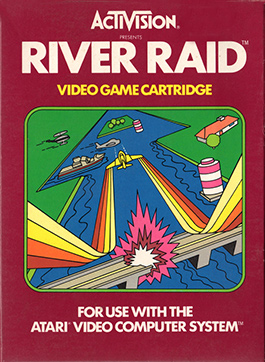
Carol Shaw — Early Console Programmer
Carol Shaw becomes one of the first women video game programmers. She develops River Raid for the Atari 2600. She writes efficient code that pushes the limits of early consoles. Her success proves that technical skill drives innovation. Her example opens doors for more women in engineering roles.


Danielle Bunten Berry — Multiplayer Visionary
Danielle Bunten Berry designs games that focus on connection. She creates M.U.L.E., which blends competition and cooperation. She believes games should bring people together. Her ideas influence modern online multiplayer systems. Because of her vision, social gaming grows stronger.


Muriel Tramis — Adventure Game Pioneer (1980s)
Muriel Tramis becomes one of the first Black women game designers. She creates adventure games in the 1980s that explore history and identity. Her work expands what stories games can tell.

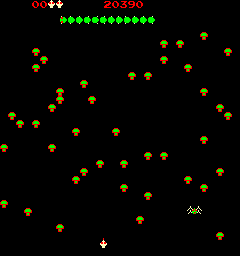
Dona Bailey — Arcade Game Designer
Dona Bailey designs Centipede, one of the most famous arcade games. She creates bright visuals and smooth controls that attract a wide audience. She focuses on gameplay that feels welcoming and exciting. Her design helps arcades grow beyond one type of player. Her work shows how thoughtful design expands communities.


Corrinne Yu — Graphics Engineering Leader (1990s–Present)
Corrinne Yu leads graphics engineering on major franchises like Halo. She helps push real-time rendering and physics systems forward. She brings deep technical skill to AAA development. Her work strengthens how games look and feel. Because of engineers like her, modern visuals reach cinematic quality.

Kim Belair — Indie Studio Co-Founder (2010s–Present)
Kim Belair co-founds Sweet Baby Inc., a narrative development studio. She supports inclusive storytelling in major titles like Marvel Spider-Man 2, God of War: Ragnarök, Far Cry: New Dawn, and many others! She works with studios to improve character depth and representation. Her leadership helps shape how modern stories reflect diverse players. Her influence reaches across today’s industry.

Jade Raymond — Studio Executive and Builder
Jade Raymond leads large development teams. She helps launch the Assassin’s Creed franchise. She supports global studios and mentors new creators. Her work highlights the power of leadership in gaming. Her career shows that women shape not only games but entire companies.
Timeline of Women in Video Game History
- 1970s–1980s: Carol Shaw programs early console hits.
- 1980s: Roberta Williams expands adventure storytelling.
- 1981: Dona Bailey designs a top arcade game.
- 1980s: Danielle Bunten Berry pioneers multiplayer systems.
- 2000s: Amy Hennig elevates cinematic storytelling.
- 2000s–2010s: Jade Raymond leads major franchises.
This timeline helps students see how women in video game history influence every era of gaming.
How Parents and Teachers Can Use This Article
You can turn this blog into a learning activity. Ask kids which designer inspires them most. Encourage students to research one woman and present her impact. Connect these stories to STEM lessons about coding, art, or leadership. These conversations build confidence and curiosity. When we teach these stories, we shape the next generation of creators.
Conclusion
Women in video game history shape the stories, systems, and studios that define modern gaming. Their work proves that innovation grows from many voices. When families and classrooms share these stories, they inspire the next wave of designers and leaders. The gaming world continues to evolve because these pioneers lead the way. And this conversation sets the stage for highlighting rising women shaping gaming right now.