

Author: Cat Cooley
Indoor Activity Videos for Kids: Top 6
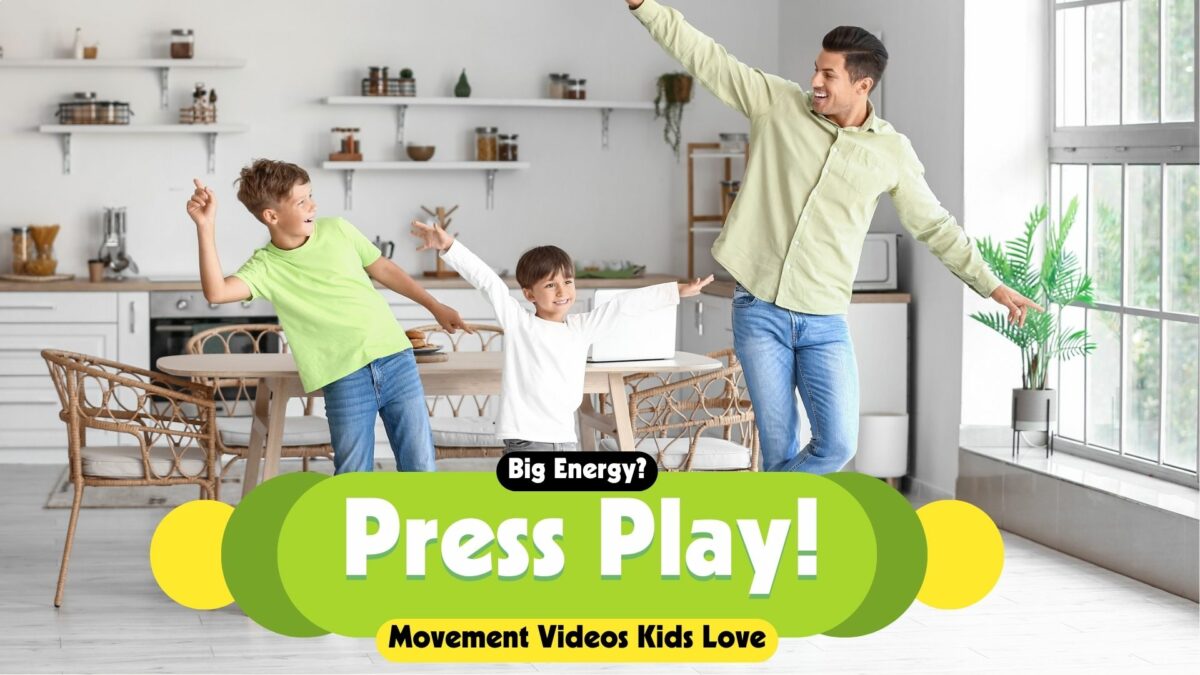
Parents often search for safe ways to help kids stay active indoors. YouTube channels that get kids moving give you an easy solution. These indoor activity videos for kids turn screen time into dance time, jump time, and play time. Kids build strength, focus, and confidence while they follow fun movement games. This guide shows you the best YouTube channels for kids who love to move.
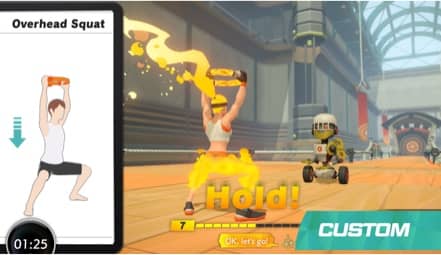
Nintendo Official Channel — Active Gaming Fun
Recommended ages: 6–12
Watch: https://www.youtube.com/@Nintendo
Nintendo shares clips from active video games that inspire kids to move. Kids copy jumps, squats, and stretches they see on screen. Familiar characters make each video feel like a mission. Bright visuals hold attention longer. This channel turns gaming excitement into real movement.
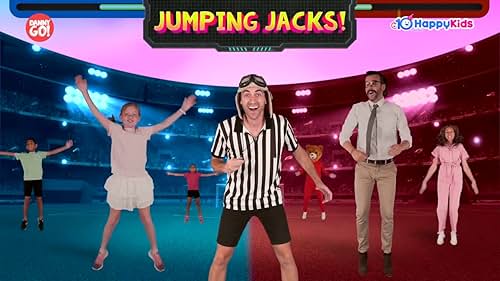
Danny Go — High-Energy Movement Songs
Recommended ages: 3–8
Watch: https://www.youtube.com/@DannyGo
Danny Go leads action songs that tell kids when to jump, spin, and run. He talks directly to viewers so they feel included. Fast pacing keeps excitement high. Challenge games test listening skills and coordination. This makes exercise feel like play.
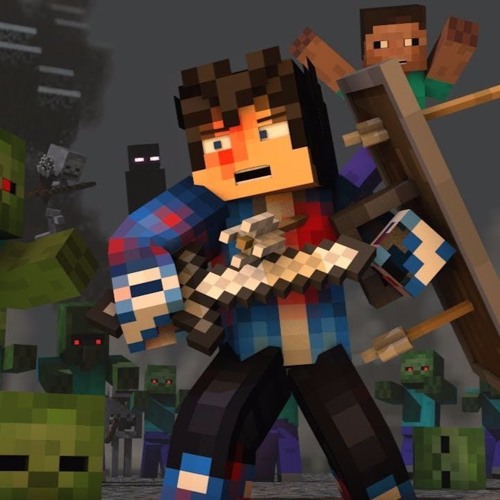
Minecraft Channel — Movement for Creative Kids
Recommended ages: 6–12
Watch: https://www.youtube.com/@Minecraft
Minecraft videos feature music clips and animations that inspire movement. Kids act out character motions or march to the beat. Familiar sounds grab attention fast. Simple rhythms help kids stay on pace. This channel blends imagination with activity.

The Kiboomers — Simple Action Songs
Recommended ages: 3–7
Watch: https://www.youtube.com/@TheKiboomers
The Kiboomers create songs that guide kids through easy motions. Lyrics tell kids exactly what to do. Bright animation keeps young viewers focused. Short videos fit quick movement breaks. This keeps little kids active and smiling.

Pokémon Kids TV — Dance with Favorite Characters
Recommended ages: 3–8
Watch: https://www.youtube.com/@PokemonKidsTV
Pokémon Kids TV shows dance songs with characters kids love. Pikachu and friends model moves kids copy right away. Repetition helps kids learn fast. Cheerful music boosts energy. This channel mixes imagination with motion.

Cosmic Kids Yoga — Calm Active Movement
Recommended ages: 4–10
Watch: https://www.youtube.com/@CosmicKidsYoga
Cosmic Kids Yoga guides kids through stretches during story adventures. The host explains each pose step by step. Kids build balance and focus while they play along. Gentle pacing keeps them relaxed and engaged. This offers a peaceful movement option.
Tips for Parents: Make Movement Videos Work Better
Boost Engagement
- Dance with your child
- Let them pick the video
- Celebrate effort, not skill
Kids stay motivated when they feel supported. Choice gives them ownership. Praise builds confidence. Shared fun strengthens connection. This keeps them excited to move.
Keep It Healthy
- Choose videos under 15 minutes
- Give water breaks
- Rotate active and calm content
Short sessions prevent burnout. Hydration supports energy and focus. Variety keeps interest high. Balance protects attention span. This creates a healthy screen routine.
Why Movement Videos Help Kids
Active play supports brain growth, mood, and coordination. Movement releases energy in positive ways. Dance and exercise improve memory and confidence. Kids who move often show stronger focus. This explains why active videos work so well.
FAQs About YouTube Movement Videos for Kids
What are the best YouTube channels for active kids?
Danny Go, Nintendo, and Cosmic Kids Yoga rank among the top choices for movement and fun.
Are movement videos good for indoor days?
Yes. They provide safe activity when outdoor play does not work.
Conclusion
Active videos help kids burn energy, boost mood, and stay healthy. When you choose the right channels, your child sees exercise as fun instead of work. Short dance breaks, game-style challenges, and movement songs keep kids excited to stay active. Try a few channels, notice what your child enjoys most, and build movement into your daily routine. The more fun movement feels, the more kids want to keep doing it.

Looking for the best board games for 4 to 6 year olds? Discover fun, educational picks that build skills, keep kids engaged, and make family game night easy.
Family-Friendly Video Games for Parents & Kids (Ages 6-10)
Finding family friendly video games that parents actually enjoy playing with their kids can feel overwhelming. Some games are too hard, some move too fast, and others quietly turn into solo screen time instead of shared fun. The good news is that late 2024 and 2025 brought a wave of games designed for cooperation, creativity, and connection. That makes this the perfect moment to refresh your family game night.
Playing together does more than fill time. It builds teamwork, communication, patience, and confidence—especially for kids ages 6–10. When parents sit down and play alongside their children, games become shared experiences instead of distractions. That’s exactly what the games below are built to encourage.
What Makes a Video Game Truly Family Friendly?
A family friendly video game does more than avoid mature content. It should feel welcoming, forgiving, and fun for players of different skill levels. Games that work well for families often include simple controls, clear goals, and flexible play styles that allow adults to help without taking over. This balance is what turns frustration into progress.
Another key factor is how the game supports shared play. Some games offer true co-op modes, while others shine when parents and kids take turns or make decisions together. Both styles can work beautifully when the experience encourages conversation and collaboration. With that in mind, let’s jump into the best new family friendly video games you can enjoy together.
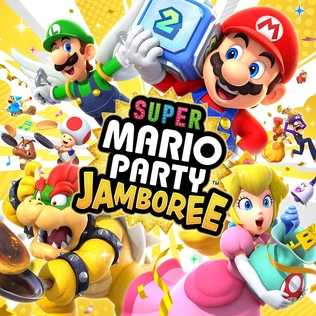
Super Mario Party Jamboree
Super Mario Party Jamboree is a top pick for families because it turns game night into a celebration. Packed with colorful boards and fast-paced mini-games, it gives every player a chance to win without needing advanced skills. Kids love the silly challenges, while parents appreciate how quickly everyone can jump in. This makes it ideal for mixed ages and attention spans.
Parents consistently praise how the game keeps competition light and playful. Mini-games rotate quickly, rules are easy to follow, and losing never feels harsh. That combination keeps kids engaged without emotional meltdowns. Once families see how smoothly it runs, they often come back for “just one more round.”

LEGO Party
LEGO Party blends the best parts of classic party games with LEGO’s signature humor and creativity. Designed for local multiplayer, it offers short, playful challenges that feel approachable for younger kids while still being entertaining for adults. The visuals are bright, silly, and instantly familiar. This helps kids feel confident from the moment the game starts.
Parents love that LEGO Party rewards teamwork just as much as winning. Kids can experiment, laugh at mistakes, and learn rules without pressure. Because each mini-game is quick, it’s easy to stop at a natural break point. That makes this a strong choice for busy evenings or short family play sessions.

LEGO Horizon Adventures
LEGO Horizon Adventures delivers cooperative action wrapped in humor and charm. Parents and kids explore together, solve puzzles, and tackle enemies in a way that feels lighthearted instead of stressful. The LEGO style keeps everything playful, even during action moments. This makes it easier for kids to try new challenges without fear.
Customer reviews often mention how fun it feels to play side by side. Adults can help guide tougher moments, while kids take the lead in exploration and discovery. The shared victories feel earned, not rushed. That sense of teamwork is what keeps families coming back to the story.
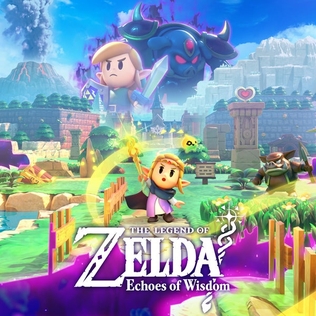
The Legend of Zelda: Echoes of Wisdom
The Legend of Zelda: Echoes of Wisdom is a wonderful option for families who enjoy thinking and problem-solving together. While it is a single-player game, it works beautifully as a shared experience. Parents and kids can talk through puzzles, plan strategies, and take turns exploring the world. This turns gameplay into a conversation instead of a solo activity.
Parents appreciate how the game emphasizes creativity over combat. Kids feel proud when their ideas help solve challenges, even if an adult handles the controls at times. The pacing allows families to slow down and enjoy the journey. That thoughtful design makes it a strong fit for meaningful play.

Survival Kids
Survival Kids encourages teamwork through problem-solving and planning. Instead of fast action, the game focuses on making smart choices together, like gathering supplies or deciding what to build next. Parents and kids often talk through each step. This turns survival mechanics into learning moments.
Families enjoy how the game sparks discussion and cooperation. Kids feel included when their ideas help the group succeed. Parents appreciate that challenges feel thoughtful rather than overwhelming.
That shared decision-making keeps everyone invested.

Sunderfolk
Sunderfolk feels like a digital board game built for families. With turn-based gameplay and cooperative goals, it encourages patience, planning, and teamwork. Kids can take their time, and parents can explain choices as they go. This structure makes strategy feel accessible.
Parents often mention how well the game supports conversation. Each turn becomes a chance to discuss options and celebrate progress. Because sessions can be short, it’s easy to fit into family routines. That flexibility makes it great for regular game nights.

Sonic Racing: CrossWorlds
Sonic Racing: CrossWorlds brings high-energy excitement without complicated controls. Races are fast, colorful, and easy to understand, making it simple for kids to jump in. Parents can adjust settings to keep competition friendly. This keeps races fun instead of frustrating.
Families love how quick matches make it easy to play multiple rounds without burnout. Kids enjoy the characters and speed, while parents appreciate the accessibility. It’s a great way to end game night on a high note. That balance makes racing together feel rewarding.
Why Family Friendly Video Games Matter
Family friendly video games give parents and kids a shared space to connect. They create opportunities to practice communication, problem-solving, and emotional regulation in a way that feels fun. When parents play alongside their children, screen time becomes relationship time. That shift changes how games fit into family life.
By choosing games designed for cooperation and creativity, families can turn everyday moments into lasting memories. Whether it’s laughing through mini-games or planning strategies together, these experiences add up. That’s what makes family friendly video games worth inviting into your home.

Learn how to play Minecraft with your child in this fun, beginner-friendly guide for parents. Explore, build, and bond together!
Week of Kindness: Simple Ways to Teach Kids Kindness (6-10)
The Week of Kindness is a wonderful opportunity for families to slow down and focus on empathy, gratitude, and helping others. For parents of kids ages 6–10, this week is a perfect time to introduce simple habits that build kindness into everyday life. By using easy, age-appropriate week of kindness ideas, families can turn meaningful moments into lasting lessons.
As we explore how to celebrate kindness together, it helps to start by understanding what this week is all about.
What Is the Week of Kindness?
The Week of Kindness is a themed awareness week that encourages kids and families to practice kindness through everyday actions. It focuses on helping children learn empathy, respect, and compassion at home, at school, and in their community. Instead of grand gestures, the goal is to show kids that small, thoughtful actions matter.
Once parents understand the purpose of the week, it becomes easier to explain it to kids in a way that feels positive and exciting.
How Did the Week of Kindness Get Started?
The idea behind kindness-focused weeks grew from character education and social-emotional learning programs. Schools and communities wanted ways to teach children how their actions affect others, reduce bullying, and improve relationships. Over time, families also began using kindness weeks at home to reinforce these lessons.
Knowing where the Week of Kindness came from helps parents see why it continues to be so meaningful today.
Why Teaching Kindness Matters for Kids Ages 6–10
During ages 6–10, children are learning how to manage emotions, form friendships, and understand fairness. Teaching kindness during this stage helps kids build empathy, improve communication, and gain confidence. When kids practice kindness, they also learn how to handle conflict and include others.
With that foundation in mind, parents can use practical week of kindness ideas to help kids practice these skills daily.
10 Week of Kindness Ideas Parents Can Do With Kids
Now that we understand why kindness matters, let’s explore simple, realistic activities families can do together throughout the week.
Make a Kindness Jar
To begin the week, create a kindness jar together. Write kind actions on slips of paper, such as helping a sibling or saying thank you, and let your child pick one each day. This makes kindness feel fun and intentional, and it gives kids something to look forward to.
After starting with a daily reminder, you can build on this momentum with words of appreciation.
Write Thank-You Notes
Next, encourage your child to write or draw thank-you notes for teachers, neighbors, or family members. This helps kids recognize the people who support them and express gratitude in a meaningful way.
Once kids practice gratitude, they are often more aware of how their words affect others.
Try a Compliment Challenge
Another easy idea is a compliment challenge. Ask your child to give three genuine compliments throughout the day. Compliments help kids practice noticing positive traits in others and boost confidence on both sides.
As kids become more comfortable using kind words, they can also learn kindness through helpful actions.
Do a Secret Kindness Chore
Have your child choose a chore to do for someone else without being asked. This could be making a bed, feeding a pet, or setting the table. Secret acts of kindness teach kids that helping others doesn’t always need recognition.
From helpful actions at home, families can extend kindness beyond their own walls.
Donate Toys or Books
Let your child pick gently used toys or books to donate. Talk about where the items will go and how they might help another child. This helps kids understand generosity and empathy in a concrete way.
After giving to others, creative expression can reinforce kind messages.
Create Kindness Art
Encourage kids to make posters, drawings, or cards with kind messages. These can be displayed at home or shared with friends and family. Art gives children a creative way to express positive feelings.
Once creativity is involved, kindness can become even more fun.
Play Family Kindness Bingo
Create a simple bingo card with actions like sharing, helping, or including someone. As kids complete activities, they mark their card. This game-style approach keeps kids engaged while reinforcing positive behavior.
From games, families can take kindness into their neighborhoods.
Go on a Kindness Walk
Take a walk together and look for ways to spread kindness. Pick up litter, smile at neighbors, or leave encouraging sidewalk chalk messages. This shows kids that kindness can happen anywhere.
As the day winds down, reflection helps solidify what kids have learned.
Read a Kindness-Themed Book
Choose a book that focuses on empathy, friendship, or helping others. Pause to ask questions about how characters show kindness and how kids might act in similar situations.
After discussing stories, reflection can help kids connect lessons to real life.
End the Day With a Kindness Reflection
Each evening, ask your child one simple question, such as “What was one kind thing you did today?” This builds awareness without pressure and helps kindness become a habit.
Once these activities are complete, parents can focus on keeping kindness going.
Tips for Making Kindness a Daily Habit
To keep kindness from being a one-week event, parents should model kind behavior, praise effort, and keep expectations realistic. Talking openly about feelings and choices helps kids understand why kindness matters. Most importantly, consistency makes kindness feel natural.
With these tips in place, families can move from a themed week to everyday practice.
Conclusion
The Week of Kindness is more than a special event—it’s a chance for families to build lifelong habits together. By using simple week of kindness ideas, parents can help kids ages 6–10 develop empathy, confidence, and strong social skills. Small acts, practiced daily, can make a big difference in how kids treat others and see themselves.

Looking to help your child develop their creativity? Unlock their imagination and help them thrive with these easy-to-follow tips. Start fostering your child’s creativity today!